
The Businesses AI Recommends All Have One Thing in Common (And It’s Not a Secret)
The Big Orange Planet Journal — BOP-003
By Ally Lennon – 16 minute read
Part 1: Everyone Wants the Secret
There are moments in technology when the questions people ask reveal more than the technology itself. Twenty years ago, nearly every business owner wanted to know how to get onto Google. A few years later the conversation shifted toward rankings, backlinks, and keywords. Today the question has changed once again. Businesses want to know how to get recommended by ChatGPT, Google’s AI Overview, Gemini, Claude, and whatever AI platform comes next. At first glance it feels like an entirely new challenge, but I don’t believe it is. In many ways, we’re still asking the same question we’ve always asked. How does a business become trusted enough to be discovered? Artificial intelligence hasn’t changed that objective. It has simply changed how that trust is recognized.
Every major shift in technology creates uncertainty, and uncertainty has always been fertile ground for shortcuts. When search engines became essential, countless “SEO secrets” promised instant rankings. When social media exploded, there were formulas guaranteeing viral success. Today we’re seeing the same pattern emerge around artificial intelligence. Every week another article promises AI optimization, AI ranking factors, or a checklist designed to make your business appear inside AI-generated answers. While some of those discussions contain useful ideas, many begin with a flawed assumption—that artificial intelligence is looking for a new kind of website. I don’t think it is. I think it’s becoming better at recognizing businesses that have already spent years building credibility.
I’ve been building websites long enough to watch several generations of digital marketing trends come and go. Meta keyword stuffing disappeared. Mass directory submissions faded into history. Exact-match domains gradually lost much of their influence. Link exchanges became link penalties, and every few years another “revolutionary” strategy arrived promising overnight success before quietly disappearing again. Looking back, the businesses that consistently grew weren’t usually the ones chasing every new tactic. They were the companies steadily improving what they already did well. Their websites became more useful. Their branding became more recognizable. Their expertise became easier to understand. Their authority wasn’t manufactured overnight—it accumulated year after year. Artificial intelligence hasn’t changed that lesson. If anything, it reinforces it.
The Wrong Question Leads to the Wrong Strategy
Whenever someone asks me how to “rank in AI,” I usually respond with another question. Why should artificial intelligence recommend your business instead of someone else’s? Most people immediately begin talking about keywords, technical SEO, structured data, or publishing more content. Those things certainly matter, but none of them answer the real question. If two companies optimize their websites equally well, offer similar services, and target the same audience, what actually separates one from the other? The answer rarely comes down to a heading tag or a meta description. It comes down to confidence. Has the business earned enough trust that recommending it feels like a safe decision?
That’s where I think many conversations about AI have gone off course. Businesses are searching for technical solutions to what is fundamentally a credibility challenge. They’re looking for another plugin, another optimization guide, another AI writing tool, or another prompt that promises visibility. Meanwhile, the companies consistently appearing in AI-generated answers are often doing something much less exciting but significantly more valuable. They’ve spent years building businesses that deserve to be recommended. Their websites communicate genuine expertise. Their customers reinforce what they claim. Their branding is consistent. Their content teaches rather than simply promotes. Their reputation extends well beyond their homepage because every interaction tells the same story.
None of those qualities can be created overnight, and that’s exactly why they’re becoming more valuable. Credibility compounds. Every satisfied customer, every completed project, every thoughtful article, every positive review, every local citation, and every improvement to a website becomes another piece of evidence supporting the same conclusion. Over time those individual pieces begin reinforcing one another until the overall picture becomes remarkably clear. That’s difficult for competitors to imitate because it reflects years of consistent work rather than a single marketing campaign.
Artificial Intelligence Doesn’t Create Authority
One of the biggest misconceptions surrounding artificial intelligence is the belief that it somehow decides which businesses deserve attention. We naturally describe AI using human language. We say it recommends companies, prefers certain brands, or chooses one business over another. While those phrases make conversations easier, they can also be misleading. Artificial intelligence doesn’t form opinions the way people do. Instead, it evaluates enormous amounts of information, identifies patterns, compares consistency across multiple sources, and attempts to generate answers with the highest possible level of confidence.
Think about how you evaluate a business before making an important purchase. Rarely do you rely on a single source of information. You visit the company’s website, read customer reviews, browse completed projects, compare competitors, check their Google Business Profile, and perhaps ask someone you trust for a recommendation. Every one of those interactions contributes another small piece of evidence. Eventually enough of those pieces begin pointing in the same direction that you feel comfortable making a decision.
Artificial intelligence works in a surprisingly similar way. It doesn’t build confidence from a single webpage. It evaluates a much broader picture that includes your website, business profiles, reviews, educational content, structured information, local citations, online mentions, and countless other signals. No individual element usually determines the outcome by itself. Confidence grows because independent sources repeatedly reinforce one another. That’s a fundamentally different process than simply matching keywords to search queries.
This is why I believe we’re moving away from an internet built primarily on information toward one increasingly influenced by evidence. Information has become abundant. Every business claims outstanding service, years of experience, and exceptional results. Artificial intelligence has access to more information than any person ever could, so simply adding another article to the internet doesn’t necessarily change anything. Evidence is different because it demonstrates those claims instead of repeating them. A detailed case study provides evidence. Years of consistently positive customer reviews provide evidence. Thoughtful educational resources provide evidence. Original observations gained through real experience provide evidence. Together they create something much more difficult to imitate than another AI-generated blog post targeting the latest keyword.
Your Website Has Become Your Source of Truth
For many years businesses viewed their website as an online brochure. It explained what they did, listed their services, displayed a few photographs, and hopefully encouraged visitors to make contact. That role still matters, but today’s website serves a much larger purpose. It has become the primary source of truth for your business. Every social media profile, Google Business Profile, directory listing, podcast interview, review website, news article, and AI-generated response eventually traces back to the information your company publishes there.
I often tell clients to think of their website as the central library for their business. Every other digital platform becomes another doorway leading back to that library. If the information inside is organized, current, insightful, and genuinely useful, every doorway becomes stronger. If the website is outdated, inconsistent, or thin, every other marketing effort has to work harder to compensate. That’s one reason I’ve argued before in What Actually Happens When I Build a Website with ChatGPT that AI isn’t replacing websites. It’s making authoritative websites more important than ever because they provide the original source of knowledge that every other platform depends upon.
That’s also why thoughtful website design and development extends far beyond appearance. A great website organizes ideas clearly, connects related topics naturally, answers meaningful questions, demonstrates experience, and makes expertise easy to discover. It serves visitors first, but it also creates a stronger digital foundation for search engines, AI systems, and every other platform attempting to understand what your business actually knows.
The Businesses That Stand Out Usually Aren’t Chasing Algorithms
One pattern has become increasingly obvious throughout my career. The businesses making steady progress online usually aren’t obsessed with every algorithm update or every new AI headline. They pay attention to change, but they don’t allow technology to dictate their identity. Instead, they focus on becoming better businesses. They improve their websites because customers deserve a better experience. They invest in branding because consistency builds confidence. They strengthen their SEO strategy because they want their expertise to be easier to discover. Most importantly, they continue teaching. They answer questions competitors ignore, explain complicated subjects clearly, and publish resources that help people make better decisions long before anyone becomes a customer.
Ironically, those habits often produce the very outcomes everyone else is trying to achieve through shortcuts. Businesses that consistently educate instead of simply selling begin building authority almost without realizing it. Customers trust them more. Other websites reference their work. Their content becomes more valuable. Their reputation grows stronger. Years later, when artificial intelligence assembles answers from across the web, those businesses already possess something many competitors never took the time to build. They have evidence. And as AI continues changing how people discover businesses, that evidence may become the most valuable marketing asset a company can own.

Part 2- Digital Evidence Is Becoming the New Currency of Trust
If Part 1 can be summarized in a single idea, it’s this: artificial intelligence doesn’t reward businesses because they understand AI. It recommends businesses because it has accumulated enough confidence in what those businesses represent. That’s an important distinction because it shifts the conversation away from optimization and toward credibility. Instead of asking what technical changes might influence an AI-generated answer, business owners should be asking a much more valuable question. What evidence exists across the internet that supports the claims we’re making about our company? The answer to that question has always mattered, but artificial intelligence is making it increasingly difficult to separate marketing from reality.
For years, digital marketing rewarded businesses that could create more content than their competitors. More articles meant more indexed pages. More indexed pages often meant more opportunities to rank. Eventually, the internet became saturated with remarkably similar information. Thousands of businesses published nearly identical articles answering the same questions in almost the same language. Artificial intelligence has changed the economics of that model. When anyone can generate thousands of words in minutes, information itself becomes less valuable. What becomes more valuable is the experience, insight, and credibility supporting those words. In other words, the internet doesn’t need more information nearly as much as it needs more evidence.
Information Is Easy. Evidence Takes Years.
One of the recurring themes throughout the Big Orange Planet Journal has been the distinction between information and evidence. In The Difference Between Information and Evidence, I argued that businesses often confuse saying something with proving it. Artificial intelligence makes that distinction even more important. Every company can claim exceptional customer service. Every agency can promise measurable results. Every consultant can describe themselves as an expert. Those statements are information, and in today’s world they’re incredibly easy to produce. Evidence is something entirely different. Evidence requires consistency. It requires experience. It requires other people, other platforms, and real-world results quietly reinforcing the same conclusion over time.
That’s why I don’t believe the future belongs to businesses producing the greatest volume of AI-generated content. It belongs to businesses willing to contribute something original. A thoughtful case study is evidence. A detailed explanation based on years of practical experience is evidence. Honest customer reviews are evidence. A website that consistently answers difficult questions is evidence. None of those things can be mass-produced because they reflect work that actually happened. Artificial intelligence appears to recognize that distinction, and I suspect it will continue moving in that direction as the technology matures.
Over the last several years I’ve reviewed websites that publish three or four new articles every week yet generate very little meaningful business. At first glance the content strategy appears impressive. The publishing schedule is consistent, the pages are optimized, and the topics are relevant. Dig a little deeper, however, and a different picture begins to emerge. Every article sounds interchangeable. Every page repeats ideas already available elsewhere. The business itself never really appears. Contrast that with a company publishing fewer articles but filling them with genuine observations, real projects, practical lessons, and original insight. One creates information. The other creates authority.
Your Website Is Becoming Your Knowledge Base
For many organizations, the website is still treated like a project with a finish line. Once it’s launched, attention shifts elsewhere until another redesign becomes necessary several years later. I think that’s becoming an increasingly expensive way to think about websites. Modern websites aren’t static brochures. They’re living knowledge bases that should continue growing alongside the business itself. Every project completed, every lesson learned, every customer question answered, and every new service developed creates another opportunity to strengthen that knowledge base.
That’s one reason I continue encouraging businesses to invest in thoughtful website design and development rather than viewing a website as something that simply exists online. Great websites organize knowledge. They connect related ideas. They help visitors understand not only what a business does, but why it does it differently. They answer the next question before someone has to ask it. They become valuable resources instead of digital brochures.
I often compare a website to the central library of a business. Every review, every social media post, every Google Business Profile update, every video, every podcast interview, every directory listing, and every AI-generated response becomes another pathway leading back to that library. If the library contains original thinking, practical experience, and genuinely useful information, every one of those pathways becomes stronger. If the library is filled with generic marketing copy, every other platform eventually reflects that weakness as well.
Topical Authority Is About Understanding Relationships
Few ideas have been discussed more in modern SEO than topical authority, yet I think the concept is still widely misunderstood. Many businesses assume it simply means publishing dozens of articles around the same keyword. While consistency certainly helps, that’s only a small part of the picture. Real authority comes from understanding how ideas connect. Professionals don’t think in isolated topics because real-world problems rarely exist in isolation. A web design project naturally involves branding, user experience, accessibility, hosting, conversion optimization, content strategy, analytics, security, maintenance, local SEO, and now artificial intelligence. Those relationships should be visible throughout a website because they’re visible in everyday work.
This is where internal linking becomes much more than an SEO technique. Strong internal links don’t simply move authority between pages. They guide visitors through a logical learning experience. Someone reading about what every small business website should include should naturally discover conversations about branding, content strategy, SEO, user experience, and AI because those subjects genuinely belong together. Likewise, an article discussing when SEO should begin during a website project should naturally lead into website architecture, authority, and long-term strategy. That’s how knowledge is organized, and increasingly it’s how AI appears to recognize expertise.
The Human Advantage Is Becoming More Valuable
One of the great ironies surrounding artificial intelligence is that it’s making genuine human experience significantly more valuable. AI can summarize information remarkably well, but it can’t replace years spent solving problems for real businesses. It hasn’t watched companies struggle because their messaging lacked clarity. It hasn’t rebuilt websites damaged by years of chasing shortcuts instead of building authority. It hasn’t sat across the table from business owners trying to understand why traffic increased while leads disappeared. Those experiences belong to people, and they produce insights competitors can’t simply copy with another AI prompt.
When I think about the projects that have produced the strongest long-term results, one pattern appears again and again. They stopped trying to imitate competitors and started explaining what they had genuinely learned. They wrote about customer questions instead of keyword lists. They discussed mistakes as well as successes. They explained why certain strategies failed before describing what eventually worked. Those articles weren’t valuable because they were longer. They were valuable because they reflected experience instead of theory. That’s the kind of content artificial intelligence cannot manufacture on its own because it originates from work that actually happened.
Trust Is Quietly Becoming the Strategy
Step back from all the discussion surrounding algorithms, AI platforms, rankings, prompts, and optimization techniques, and a remarkably simple pattern begins to emerge. The businesses making consistent progress online usually aren’t trying to impress technology. They’re trying to become more useful. They improve their websites because customers deserve a better experience. They strengthen their brand because consistency builds confidence. They continue refining their SEO strategy because they want their expertise to be easier to discover. Most importantly, they keep teaching. Every article, every project, every improvement, and every customer interaction becomes another piece of evidence supporting the same story.
None of those decisions were originally made for artificial intelligence. They were made for people. Artificial intelligence simply appears to reward many of the same qualities people have always valued. Once you begin looking at your online presence through that lens, another realization becomes unavoidable. Artificial intelligence isn’t changing what makes businesses successful. It’s making those strengths—and those weaknesses—much easier to recognize.

Part 3: The Future Belongs to Businesses That Earn Trust
If there’s one conclusion I’ve reached after watching search engines evolve for more than two decades, it’s that technology changes far more often than the principles behind it. Search interfaces come and go. Ranking factors evolve. New platforms emerge while others quietly disappear. Yet the businesses that continue growing year after year almost always share the same characteristics. They communicate clearly. They solve real problems. They invest in long-term relationships instead of short-term wins. They improve their expertise instead of simply improving their marketing. Artificial intelligence doesn’t change those principles. It shines a brighter light on them.
That’s why I don’t believe we’re entering an era where businesses compete to become “AI optimized.” I think we’re entering an era where businesses compete to become the most trusted source within their industry. Those are two very different goals. Optimization is often tactical. Trust is strategic. Optimization can produce temporary gains. Trust compounds. Optimization focuses on platforms. Trust focuses on people. The remarkable thing about artificial intelligence is that it appears to reward businesses that have been investing in trust all along.
The Companies That Thrive Usually Ignore the Noise
Every major shift in technology creates a wave of panic. Some businesses immediately assume everything they knew yesterday has become obsolete today. Others become so focused on chasing the newest trend that they abandon strategies that were already working. I’ve seen that happen repeatedly throughout the evolution of the web. Every new platform arrives with predictions that everything else is about to disappear. Websites were supposedly going to be replaced by social media. Search engines were expected to become irrelevant because of voice search. Now we’re told artificial intelligence will eliminate the need for websites altogether.
History rarely unfolds that way. New technology doesn’t usually replace everything that came before it. More often, it changes which businesses become easier to discover. Companies that already communicate clearly, demonstrate expertise, and consistently earn trust often benefit the most because new technology simply gives more people an opportunity to find them. Businesses built on shortcuts usually struggle because shortcuts rarely survive technological change. Foundations do.
That’s one reason I encourage clients to spend less time reacting to headlines and more time improving the business itself. Better customer experiences produce better reviews. Better messaging produces better conversations. Better websites create better first impressions. Better expertise produces better content. Those improvements continue creating value whether someone discovers your business through Google, an AI assistant, a referral, or a recommendation from a previous customer.
Your Brand Is Becoming One of Your Strongest Trust Signals
Branding has always been about much more than logos and color palettes. At its best, branding creates familiarity. It helps people understand what your business stands for and what they should expect every time they interact with it. Strong brands reduce uncertainty because every experience reinforces the one before it. The website feels familiar. The messaging remains consistent. The customer experience reflects the promises being made. Over time those interactions create confidence, and confidence eventually becomes trust.
I believe artificial intelligence quietly increases the importance of branding because consistency itself becomes evidence. Your website, Google Business Profile, customer reviews, articles, videos, social media accounts, local citations, and industry mentions should all reinforce the same story. When they do, every interaction strengthens the credibility of the next. That’s one reason I continue viewing branding, website design, and SEO as parts of the same long-term strategy rather than separate marketing disciplines. They’re all working toward the same objective: helping people understand why your business deserves their confidence.
The Best Marketing Doesn’t Feel Like Marketing
When I look at businesses that consistently build authority online, one characteristic appears almost every time. They teach. They answer questions customers genuinely care about. They explain complicated topics without unnecessary jargon. They discuss mistakes as openly as successes. They publish resources because helping people understand a problem builds confidence long before anyone requests a proposal or schedules a consultation.
Ironically, some of the most effective marketing I’ve seen hardly feels like marketing at all. It feels like generosity. It feels like expertise shared without immediately asking for something in return. Over time that approach changes how people think about the business. Instead of becoming another company competing for attention, it becomes a trusted source of information. That’s a much stronger position because people naturally prefer buying from businesses they’ve already learned something from.
This is also where a thoughtfully organized website becomes so valuable. Someone reading Why Visitors Leave Websites in Seconds should naturally continue into articles discussing user experience, branding, AI, and website strategy. Readers exploring when SEO should begin during a website project should discover broader conversations about authority, site architecture, and long-term growth. That’s how genuine knowledge is organized. Every answer naturally leads to another question.
Stop Trying to Impress Artificial Intelligence
If I could offer one piece of advice to every business owner concerned about artificial intelligence, it would be surprisingly simple. Stop trying to impress AI. Instead, build the kind of company that deserves to be recommended regardless of how people search. Create a website that genuinely answers customer questions instead of simply listing services. Continue investing in thoughtful design because visitors deserve an outstanding experience, not because another algorithm update demands it. Improve your content because you have something worth teaching, not because an editorial calendar requires another article. Share your experience openly. Explain your process honestly. Continue refining your expertise every year. Build a business that becomes easier to trust with every interaction.
Those principles were valuable before ChatGPT existed. They were valuable before AI Overviews, voice search, or smartphones. They’re becoming even more valuable now because artificial intelligence appears to reward many of the same characteristics people have always respected.
The One Thing They All Have in Common
So let’s return to the question that inspired this article. What do the businesses consistently recommended by artificial intelligence actually have in common? It isn’t a secret prompt. It isn’t another plugin. It isn’t an expensive AI optimization service. It isn’t publishing hundreds of automatically generated articles. And it certainly isn’t chasing every new algorithm update the moment it appears.
The businesses that consistently appear in AI-generated answers have usually spent years becoming businesses worth recommending. They’ve built websites that educate instead of merely advertise. They’ve invested in recognizable brands that communicate consistency. They’ve answered customer questions with honesty instead of hype. They’ve shared genuine experience instead of recycled opinions. They’ve earned positive reviews through quality work instead of clever marketing. Every article, every project, every satisfied customer, every improvement, and every thoughtful decision added another layer of digital evidence supporting the same conclusion.
Artificial intelligence didn’t create their authority. It recognized it. That may be the most important lesson businesses can learn as AI continues reshaping how people discover information. Technology will continue changing. Today’s AI platforms will eventually evolve into something new, just as yesterday’s search engines evolved before them. Interfaces will change. Features will come and go. Another generation of tools will undoubtedly promise to revolutionize digital marketing. Trust, however, has always appreciated in value. The businesses that continue succeeding won’t necessarily be the ones that mastered another platform. They’ll be the ones that never stopped earning credibility. Years from now, I suspect we won’t spend nearly as much time asking how to optimize for artificial intelligence. We’ll ask a much better question. Which businesses genuinely deserve to be recommended? The answer won’t be found in another algorithm. It will be found in businesses that invested in expertise, built exceptional websites, strengthened their brands, educated their customers, and earned trust one interaction at a time. That’s the one thing every business AI recommends has in common.
Ready to build a website that becomes a long-term source of authority instead of just another online brochure? At Big Orange Planet, we help businesses create websites, brands, and SEO strategies designed to build lasting credibility—not chase temporary trends. Because while technology will continue evolving, trust remains one of the few competitive advantages that never goes out of style.
Related Reading
This article reflects the thinking behind how we approach websites, artificial intelligence, search and long-term digital strategy at Big Orange Planet. If you found it useful, you might also enjoy:
- Why Getting Your Business Mentioned By AI Is Harder Than You Think
- Why Doesn’t AI Recommend My Business?
- What Business Owners Think SEO Is vs What SEO Actually Is
- What Actually Happens When I Build a Website with ChatGPT
Over the coming months, The Big Orange Planet Journal will continue exploring search, branding, website architecture, local SEO, artificial intelligence and the ideas shaping how businesses are discovered — and trusted — online. If you’d like to follow along, you can sign up below for new articles and ideas as we publish them. If you’d like to discuss your website, SEO strategy or digital marketing goals, visit our Contact Us page or explore our Denver web design and SEO services.

About Ally Lennon
Ally Lennon is the founder of Big Orange Planet, a Denver web design and SEO company. He builds websites, fixes the ones that aren't working, and has spent more than two decades developing SEO strategies that get businesses found online. He also spends an unreasonable amount of time figuring out what Google, AI and the rest of the internet are going to do next.
Get the Good Stuff
No fluff. Just practical web design ideas, SEO insight, behind-the-scenes projects, & solutions we've tested in the real world.
Never Miss a Good Idea
More Big Orange Knowledge
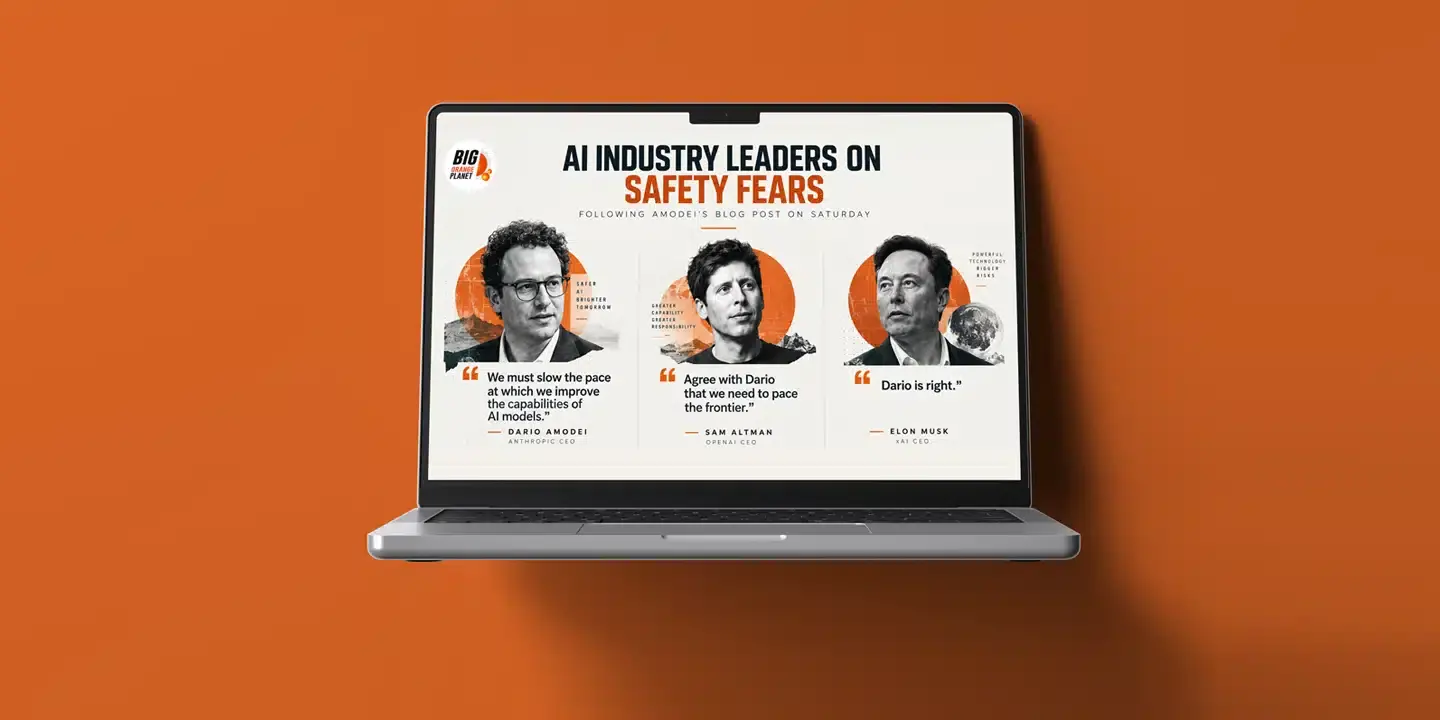
Why Are the People Building AI Suddenly Asking Us to Slow It Down?
Some of the people building the world’s most powerful AI systems are now…

When ChatGPT Lies About Its Own Work
ChatGPT told me it had preserved every link in a website content project. It…

Information Is Everywhere. Evidence Is Becoming Rare
We have more information than ever, but information alone doesn’t make…

I Stopped Prompting AI. I Started Working With It
After working with ChatGPT for a long time, I stopped thinking about AI as…
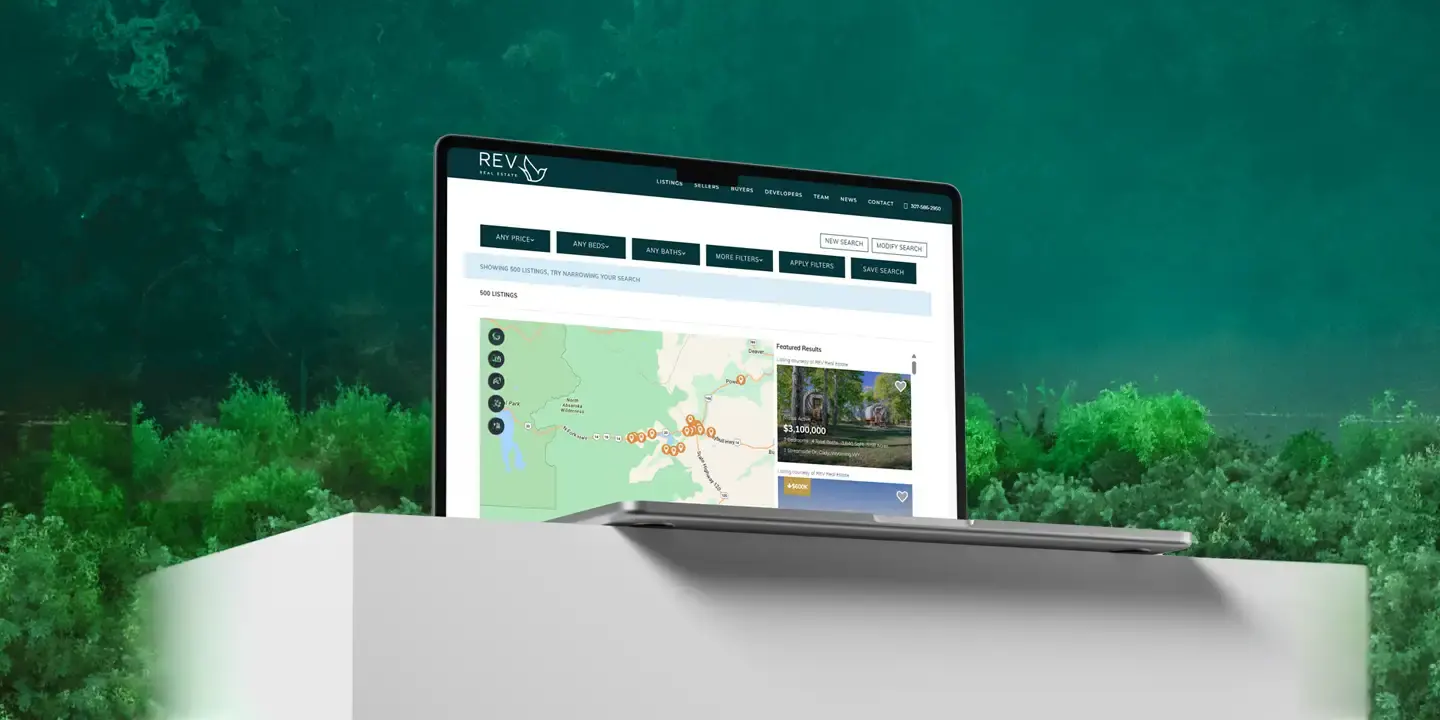
How We Gave an IDX Broker Listings Page a Fully Custom Look
A behind-the-scenes look at how we customized an IDX Broker listings page for…

Why Better AI Tools Don’t Automatically Produce Better Results
AI tools are becoming extraordinarily capable, but better technology doesn't…