
Conversion-First UX: Maximizing B2B Lead Generation Funnels
Digital platforms must guide corporate buyers efficiently through every stage of the procurement cycle. Many business-to-business web designs look beautiful but fail to capture consumer interest. Systemic failure costs modern organizations significant revenue and pipeline value every fiscal year.
A conversion-first design philosophy changes the situation by focusing on user intent. It creates specific pathways that transform casual website visitors into highly qualified business leads. Streamlining user journeys optimizes marketing investments and drives predictable enterprise growth.
Mapping Out Your Digital Pipeline Strategy
Building a functional funnel requires a deep understanding of your target corporate buyers and their needs. Individuals need comprehensive data before making any final purchase choices during vendor selection. Providing detailed documentation satisfies their extensive research requirements early in the consideration cycle.
Business-to-business sales cycles require clear planning from the start. Many teams choose to speak to B2B marketing consultants before building their digital funnels. The initial planning protects valuable corporate resources from being wasted on ineffective designs later.
Mapping the journey helps pinpoint where prospects lose interest or abandon pages entirely. Correcting weak spots keeps corporate pipelines flowing smoothly. Organizations secure better acquisition rates by fixing these particular navigation gaps across all landing pages and portals.
Aligning Traffic Goals With Revenue Realities
Traffic means very little if website visitors leave your corporate pages instantly. High click numbers often create a false sense of security for inexperienced marketing executives. True commercial growth relies on deep engagement rather than superficial views.
A prominent entrepreneurship magazine noted that prioritizing pure traffic generation leaves prospective buyers stranded at the top of the funnel without clear direction. Marketing leaders must provide a direct path forward. Providing explicit navigation guides prospects toward deeper corporate engagement.
Directing users toward particular actions creates measurable commercial value for your enterprise. Clear pathways convert early interest into actual sales discussions between teams. The conversion methodology shifts team focus away from empty metrics toward verified pipeline development.
Simplifying User Journeys For Business Buyers
Corporate buyers appreciate quick access to technical details and product data sheet lists. Complex layouts and hidden menus cause unnecessary frustration during procurement research phases. Keeping digital interfaces clean speeds up the evaluation process for busy procurement professionals and managers. Simple navigation structures improve the user experience across corporate sites. High-performing platforms regularly utilize several straightforward elements:
Removing unnecessary layout options helps users focus entirely on primary commercial goals. A focused approach shortens the time required to complete complex business transactions online. Corporate buyers return to websites that respect their professional time and effort consistently.
Budgeting For Scale And Sustainable Growth
Funding digital upgrades demands careful financial oversight from corporate leadership teams. Allocating funds correctly prevents development projects from stalling halfway through execution cycles. Smart capital distribution secures long-term stability for growing commercial enterprises.
An industry business publication suggested that smaller organizations should dedicate 7 to 8 percent of total revenue to promotional efforts. This particular funding level keeps acquisition efforts competitive within aggressive corporate spaces. Budget models must adjust rapidly as market conditions change.
Strategic investments in user experience design create distinct financial advantages over competitors. Teams that fund interface updates regularly see higher operational efficiency across departments. Every dollar spent on layout improvement reduces future sales friction during client acquisition phases.
Tracking Long-Term Performance Indicators
Short-term measurements rarely show the full impact of user layout adjustments. Companies must look past immediate sign-ups to gauge real commercial success. Lasting profitability requires monitoring platform performance over extended seasonal periods and fiscal quarters.
Data shared by an international agency publication revealed that fewer than half of top-performing teams follow metrics like customer lifetime value. The analytical gap prevents organizations from understanding long-term profitability accurately. Teams must implement better tracking systems to capture the critical information.
Monitoring customer lifetime value helps clarify true marketing returns for stakeholders. Correct data collection informs future development choices directly without relying on guesswork. Executives make better strategic decisions when they possess comprehensive performance metrics and insights.
Removing Friction Points From Contact Forms
Long contact sheets scare potential leads away from completing registration requests. Every extra data field requested reduces the likelihood of a successful submission form. Minimizing user effort increases completed registrations and boosts sales pipelines significantly.
Streamlining input boxes encourages higher user engagement on landing pages. Modern systems function best when implementing some key structural changes:
- Requesting corporate email addresses initially.
- Using automated lookup tools for company names.
- Eliminating repetitive confirmation fields.
Shorter forms respect the busy schedules of modern corporate executives. Quick interactions build immediate trust with prospective clients during initial contact. Removing field barriers creates an inviting environment for high-value prospects seeking solutions online.
Designing Clear Call To Action Frameworks
A vague prompt creates hesitation for interested corporate buyers. Buttons should clearly state what happens next, like downloading a report or scheduling a consultation chat. Explicit instructions eliminate user doubt and hesitation.
Color choices and page placement significantly impact element visibility on pages. Placing interactive elements where eyes naturally land improves response rates. Visual contrast guides users toward the next logical step naturally and effortlessly. Passive phrases fail to motivate professional audiences reading your content. Direct sentences guide users forward without confusing decision phases. Choosing action-oriented text transforms passive readers into active participants seamlessly and quickly.
Refining Assets Through Modern Analysis
Continuous adjustments keep corporate platforms efficient over long operating cycles. Static websites quickly fall behind changing industry benchmarks and standards. Regular updates preserve market relevance across changing commercial sectors and regions.
Systematic testing reveals exactly how buyers interact with particular layout changes. Small adjustments to button placement can yield large improvements in qualified lead counts. Testing replaces assumptions with hard facts collected from real interactions and user behavior.
Relying on real user feedback eliminates internal design guesswork. Data-driven choices secure better returns on development spending for companies. Regular observation guarantees that platforms evolve alongside buyer preferences and trends.
Optimizing digital touchpoints remains an ongoing process for modern commercial enterprises. Businesses must prioritize clear navigation to remain competitive within their sectors. Responsive interfaces secure better market positioning over extended operating periods and cycles.
Putting user needs first drives higher pipeline value and increases conversion rates. Well-designed funnels convert interest into sustainable revenue for long-term growth. Consistent improvements keep companies ahead of market expectations year after year and decades.
Don’t hesitate to contact Big Orange Planet. We are centrally located on 2401, 15th street in downtown. Phone: 720 272 0770
More Big Orange Knowledge
August 2, 2026
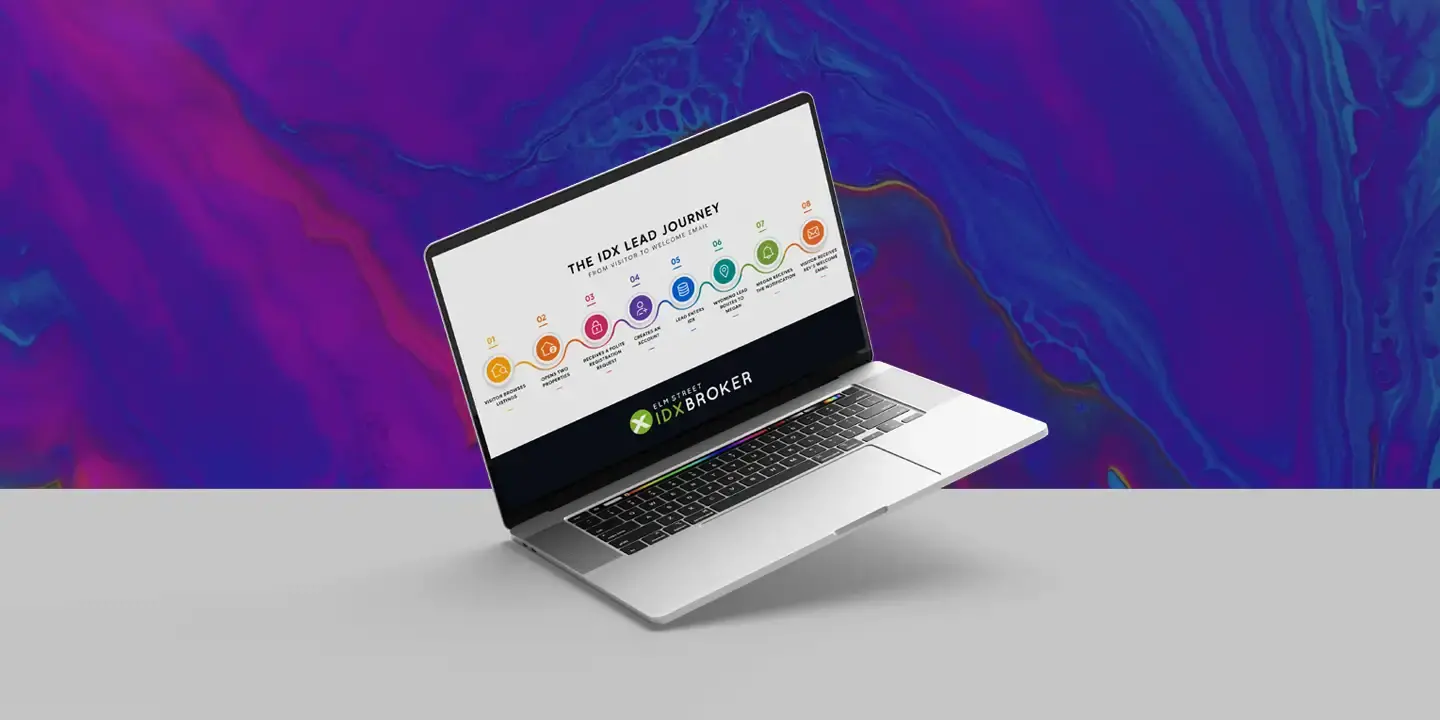
How We Turned IDX Broker Property Searches Into Leads
web developmentIDXThe Big Orange Planet Journal
A behind-the-scenes look at how we turned REV Real Estate’s IDX Broker property…

July 29, 2026
Building a Website for a Clinic That Runs Remote Patient Monitoring
A website for a healthcare clinic using remote patient monitoring has to do…

June 14, 2026
Can a Website Increase Sales? Here’s What Actually Makes The Difference
Web DesignThe Big Orange Planet JournalSEO
A website can increase sales, but design alone isn't enough. The real…
May 24, 2026
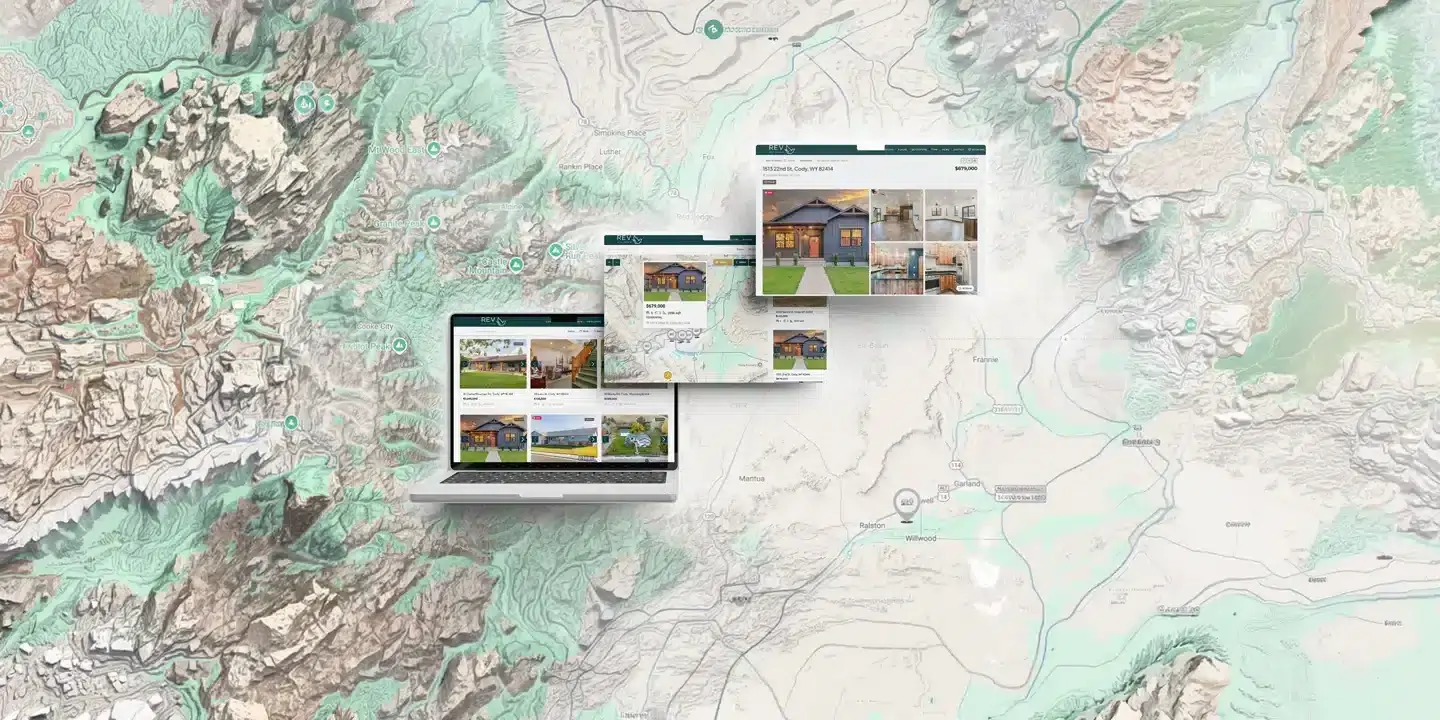
Custom Website Design vs Templates for Denver Businesses
web developmentThe Big Orange Planet JournalWeb DesignSEO
Should your business choose a custom website or a template? Both can produce…
March 28, 2024
Create a Lightbox in WordPress
A lightbox is a dark pop up window that overlays your web site to showcase an…
May 17, 2026
Does ChatGPT Content Rank in Google
Discover how AI is revolutionizing web design — from smart automation and…