
Top 10 Branding Trends in 2026
Remember when a decent logo and a catchy tagline were basically enough? Those days are gone — and honestly, gone for a while. But 2026 is shaping up to be something different even by recent standards.
The pace at which branding design is evolving right now is genuinely disorienting. AI tools, shifting consumer trust, the blurring of digital and physical identity — it’s a lot to track. But here’s the thing: brands that actually understand where attention is moving are pulling ahead fast. The ones still recycling 2021 playbooks? You can tell. So, let’s break down what’s actually happening — ten trends that matter, and why.
1. Motion-first identity systems
Static logos are not dead, but they’re increasingly secondary. In 2026, the strongest brands are treating motion as a basic part of good design:
- Animated wordmarks
- Morphing icons
- Logo transitions that respond to context
Spotify, for example, has been on this for years in one form or another, but now mid-sized brands are catching up quickly.
This shift is pushing video content to the center of brand guidelines. It’s no longer a “social media add-on” — it’s the primary format in which identity gets experienced. Tools like Movavi have made it surprisingly approachable — even if you’re just starting out, you can create polished animated assets without any prior experience or a dedicated studio, which has opened the door for a whole new wave of creators.
2. AI-augmented personalization at scale
Personalization isn’t new. What’s new is the depth. Companies that get personalization right generate 40% more revenue from it than average competitors, according to McKinsey’s 2021 findings.
Salesforce’s 2022 research showed that 73% of customers expected businesses to understand their distinct needs and expectations. Despite that expectation, fewer than half feel brands are truly meeting it. Brands are moving away from broad demographic targeting and toward deeper behavioral and contextual understanding.
3. Video as a branding language
Short-form video has moved beyond being just a content play. It’s now how brands express their voice. Tone, pacing, visuals, even the soundtrack — these are now shaping brand identity as much as creative direction. Brands that understood this early — Duolingo being the classic example — built massive cultural relevance with almost no ad spend.
People can tell when something feels rushed, and that usually shapes how they see the brand as a whole. The good news? You don’t need a production degree to get it right. Beginner-friendly video editing software has made it easy to create polished, on-brand content from scratch — even if you’re picking it up for the very first time. In fact, invideo Agent now lets you upscale videos using AI, helping brands improve the quality of existing footage and maintain a consistent, polished visual identity across their content.
4. Intentionally ugly branding
Raw typography. Off-balance layouts. Scanned textures instead of clean vectors. It’s a reaction to years of identical sans-serif, pastel-gradient sameness.
The catch: doing “ugly” well is actually harder than doing clean. It requires real design confidence. Badly executed, it just looks like bad website design. Done right, it signals authenticity — which, by 2026, is arguably the scarcest brand asset of all.
5. Local SEO and presence as brand infrastructure
Discoverability is part of brand perception. If someone searches for your category and you don’t show up — or you show up with outdated info — that’s a brand experience. A bad one.
Optimizing your Google Business profile is, in 2026, a genuine branding task. Reviews, photos, hours, Q&A responses — they all contribute to how a brand feels before someone even visits the website. Combined with a broader website ranking strategy, local presence has become a core layer of how brands establish credibility in saturated markets.
6. Transparent pricing and “anti-dark-pattern” branding
Consumers are increasingly sophisticated about manipulation. Hidden fees, confusing cancellation flows, deceptive defaults — people clock these now. And they talk about them. For some brands, radical transparency has become the differentiator — no hidden costs, no upsell traps, just plain-language pricing. Patagonia has long been ahead here, using supply chain transparency as part of its brand approach.
7. Email as brand medium
Email was supposed to die. It hasn’t. In fact, email remains one of the highest-ROI channels in digital marketing — but the brands winning with it in 2026 treat it differently. Less “newsletter,” more branded magazine. The way you design emails — the visual hierarchy, the tone, the consistency with the rest of your identity system — matters as much as the offer inside.
There’s a meaningful aesthetic gap between brands that have thought about this and those treating email as a pure conversion tool. Unsurprisingly, the former tends to have much better open and click rates.
8. Community-led brand building
Paid acquisition costs have climbed steadily for years — Facebook Ads CPMs that were $5 in 2019 are now three to four times that in competitive categories. The brands figuring out alternatives are building owned communities: Discord servers, newsletters, forums, even old-fashioned loyalty clubs. Glossier built an empire on this before it was fashionable to call it a strategy.
The branding angle? Community-led brands don’t just have customers. They have advocates who actively shape the brand story. That’s a fundamentally different — and more durable — asset than an ad account.
9. The quiet luxury takeover
The understated, logo-light appeal of quiet luxury has spread into new categories far beyond where it started. Notion’s rebrand leaned this direction. Linear has been doing it for years.
Here are the key markers of this trend:
- Narrower color palettes, usually monochromatic or near-monochromatic
- Type-led design replacing heavy graphic decoration
- Materials and textures (in packaging or physical touchpoints) that feel considered, not cheap
- Language that’s precise rather than exclamatory
Platforms like Design.com reflect this shift — demand for minimalist, typography-driven brand packages has multiplied over the past two years.
10. Brand as a video editor’s Portfolio
The craft of video editor work is increasingly becoming a direct brand signal. Every editing choice — from transitions to pacing — sends subconscious signals about a brand’s identity. For those just getting started, tools like Online AI Video make it easier to experiment and find your visual voice without a steep learning curve. In 2026, investing in actual video craft — not just more posts — is what makes brands stand out from competitors flooding feeds with generic content.
It’s proof that brand-building and production quality are inseparable. Every piece of content is a brand impression. Some just happen to be videos.
Where to start
Ten trends are a lot to hold at once. Honestly, no brand should be chasing all of them. The smarter move is to pick two or three that fit where your audience already is, then execute those with actual depth — rather than sprinting across all ten and doing none of them particularly well.
Don’t hesitate to contact Big Orange Planet. We are centrally located on 2401, 15th street in downtown. Phone: 720 272 0770
More Big Orange Knowledge
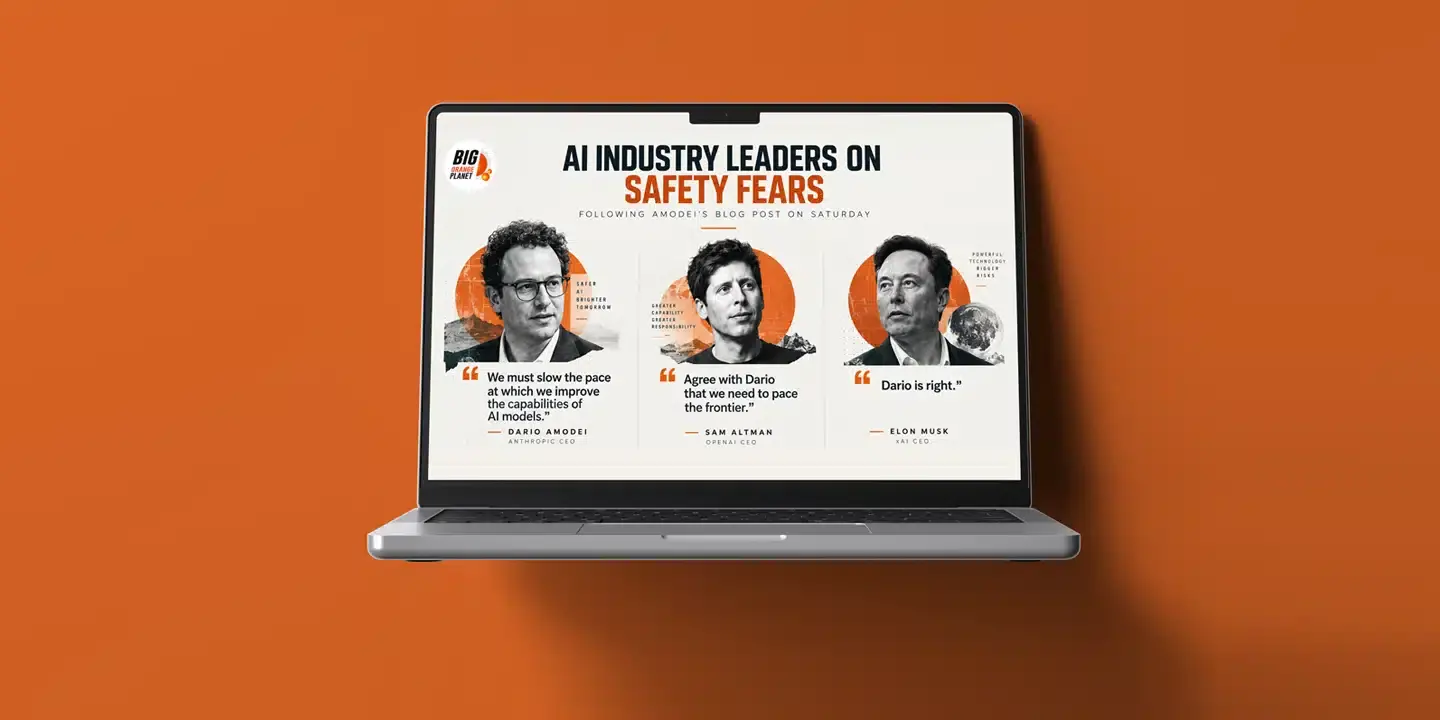
September 15, 2026
Why Are the People Building AI Suddenly Asking Us to Slow It Down?
AIThe Big Orange Planet Journal
Some of the people building the world’s most powerful AI systems are now…
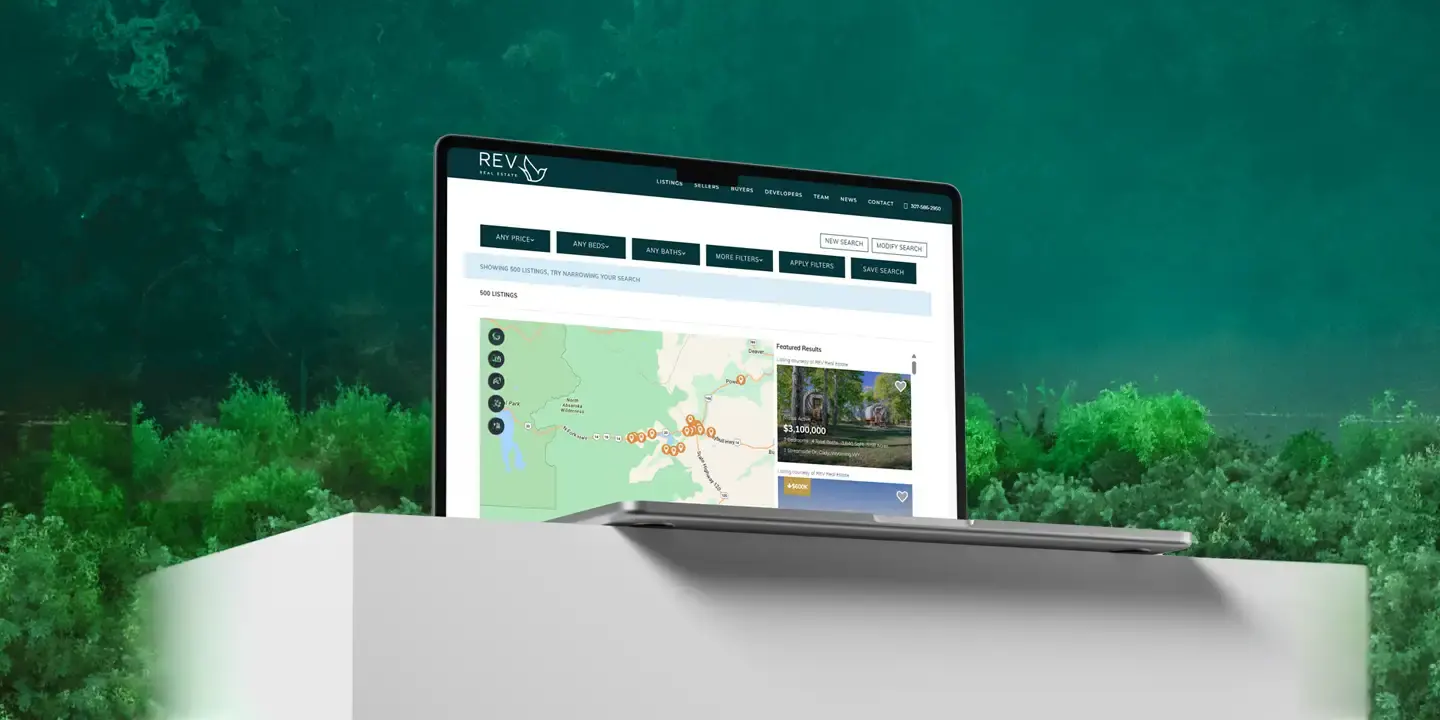
July 19, 2026
How We Gave an IDX Broker Listings Page a Fully Custom Look
IDXWeb DesignThe Big Orange Planet JournalBranding
A behind-the-scenes look at how we customized an IDX Broker listings page for…
January 17, 2025
All web hosts are essentially the same- right?
Not all web hosting is created equal. Here's why server performance, security,…
September 18, 2026
I Stopped Prompting AI. I Started Working With It
After working with ChatGPT for a long time, I stopped thinking about AI as…
September 10, 2026
Why Your Website Looks Good but Still Doesn’t Work
A website can be beautifully designed, technically sound and completely wrong…
April 21, 2026
How Much Does Web Design Cost in Denver (2026 Pricing Guide)
Web design prices can range from a few thousand dollars to well into five…