Tips for Freelance Web Designers Starting Out

Becoming an established web designer is hard enough as is, and striking out on your own introduces more challenges. Unlike in-house colleagues, you don’t have the luxury of focusing exclusively on design itself. This trips up many beginners, so here are a few useful tips for breaking out of a design exclusivity mindset and putting your freelance career on the right track.

Creating a Stand-Out Portfolio

There’s often a mismatch between beginner web designers and real-world clients. You might be interested in making the most visually polished website that follows all the latest trends. Meanwhile, the client just wants a polished, presentable homepage that makes it easy for visitors to engage with the brand.

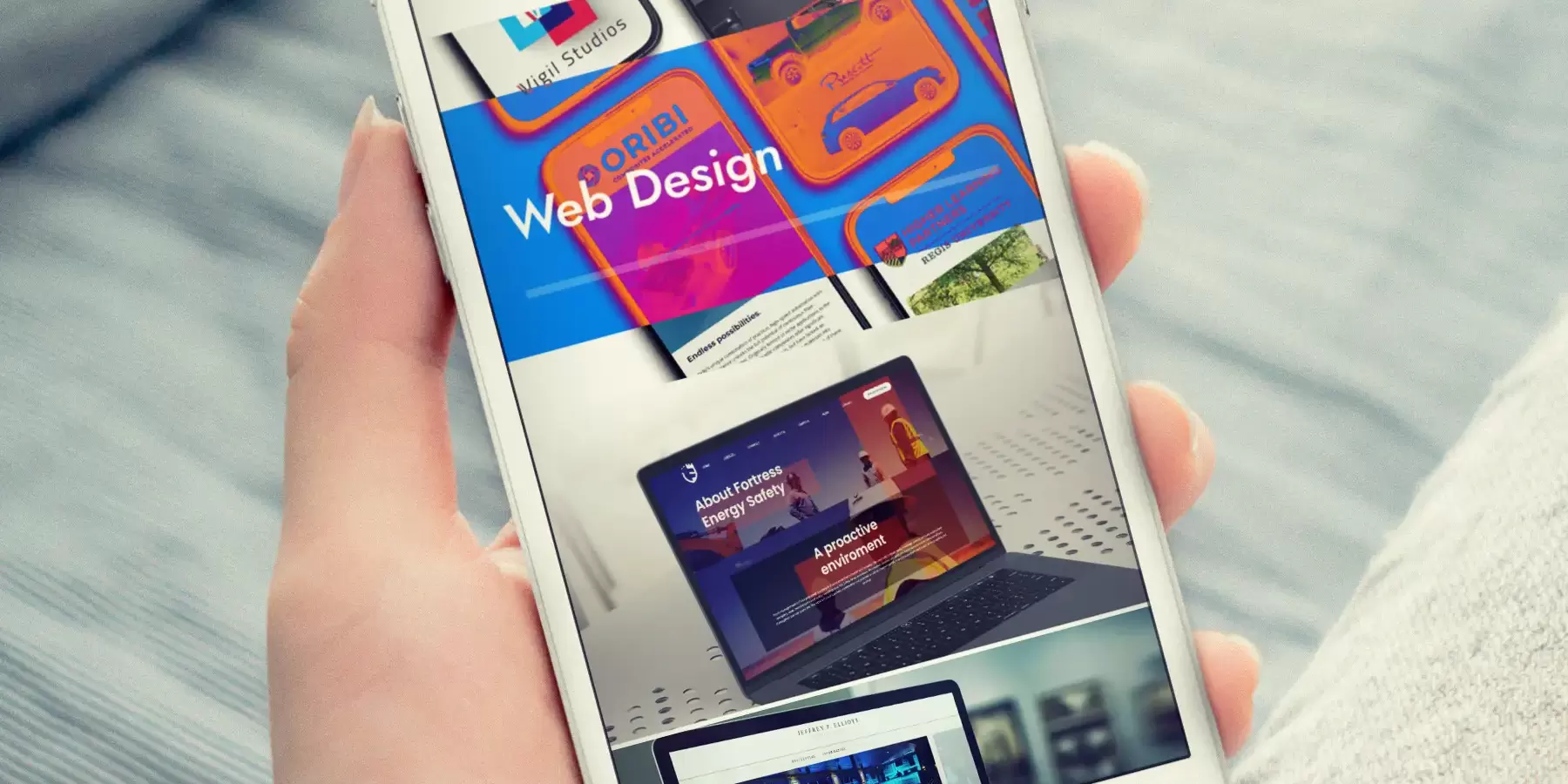
Keep that in mind when building your portfolio. It’s far better to showcase a few finished projects, complete with case studies and breakdowns of underlying business goals, than lots of theoretical concepts.

That doesn’t mean everything needs to have been made for a real client! You can demonstrate your grasp of design principles and their practical application by redesigning existing websites or creating ones for fictional companies. Alternatively, organizations and non-profits would jump at the chance to give their website a pro-grade glow-up. You might get paid less than you’d like – or nothing at all – but getting a feel for what it’s like to work with a client will be invaluable.

Communicating with Clients

Even when the clients themselves seem unreasonable, communication should never be a chore you do haphazardly. When it comes to making projects more enjoyable and running smoothly, good communication skills often trump design chops.

Start by realizing that clients aren’t designers. Help them translate vague notions of what they think a website should look like into something that’s actually feasible and effective. Defend your decisions, but do so approachably and in a way that explains your reasoning without sounding condescending.

Your expectations are important, too. Lay out the projected scope, anticipated challenges, etc., early and transparently. Be sure to also communicate frequently, maybe even a bit more than you’re comfortable with at first. Sticking to scheduled meetings but also firing off a quick message once you reach a milestone signals that you’re actively working on the project.

The beauty of freelance web design is that you can do it from anywhere, so going full digital nomad is very popular. Set communication windows and work-life boundaries. However, make sure to remain reachable despite lifestyle and time zone shifts. Wi-Fi might be unavailable or unreliable while traveling, but an eSIM app for Android or iOS won’t let you down and work wherever there’s local mobile coverage.

Effectively Managing Deadlines

Many inexperienced freelancers will look at a project and give an ETA based only on how long they think the design part will take them. In reality, waiting on feedback or content, inevitable revisions, and life circumstances means first estimates often miss the mark.

While you can’t do much about external circumstances, proper time management means they don’t have to faze you. Assess the scope of each project as best you can and break it down into more manageable milestones. Track the time to completion to get a better idea of future estimates. Be sure to establish terms like the number of revisions before committing and always leave some wiggle room in your estimates. Underpromise and overdeliver, both in terms of quality and time.

It’s never too early to start thinking long-term, either. After a successful website or two, establishing a clear workflow will become one of your biggest time-savers. You’ll also want to automate and use templates for as much of the tedious admin stuff as possible. Proposals, contracts, feedback requests, etc., can all be standardized.

Improving Skills

Trends and technologies in web design don’t stand still, especially now that AI is getting integrated into everything. The need to keep up is a given, but with what, exactly?

On the one hand, deepening your existing knowledge is never a waste. Maybe your UX fundamentals could use some polish, or you might pick up a new framework. Shoring up weaknesses and exploring areas you’re unfamiliar or uncomfortable with will make you a better web designer more quickly.

That said, don’t underestimate the benefits of branching out. A well-rounded web designer who knows the ins and outs of modern digital marketing or can whip up better copy than lorem ipsum is automatically a more desirable hire.

Summing It All Up

While web design is obviously the basis of your freelance career, it’s only one of the building blocks needed for building a successful, sustainable business. Clients viewing your portfolio should come away assured that you understand how to apply your craft to meet real-world goals.

Strengthen that impression by effectively managing your time and avoiding unrealistic estimates. Talk to clients often and freely while making sure the lines of communication are never broken, no matter the circumstances. Downloading the best eSIMs will help a lot with this, especially for digital nomads.

Finally, never stand still. Deepen your understanding of web design and embrace adjacent fields. The more you understand and can contribute, the better your chances of success.

Don’t hesitate to contact Big Orange Planet. We are centrally located on 2401, 15th street in downtown. Phone: 720 272 0770

More Big Orange Knowledge
Find Us


Main Phone:720 272 0770
sales @ bigorangeplanet.com

Big Orange Planet
2401 15th St
Denver
CO 80202

Find More


    • Privacy Policy
    • Terms & Conditions
    • Sitemap
    • Serving Denver, Boulder, Lakewood, and businesses across Colorado

Privacy Preference Center