
Affordable Doesn’t Have to Mean Bad
“Affordable web design” sounds pretty good until you start asking what affordable actually means. A low price can mean an efficient process, a smaller website, fewer custom features, or a template that has been adapted intelligently. It can also mean shortcuts that will cost you more later. Those are two very different things, and the price alone doesn’t tell you which one you’re getting.
For a Denver business looking at website proposals, the better question isn’t simply, “How much does this website cost?” It’s, “What am I actually getting for that price?” There are plenty of situations where a business doesn’t need a $15,000 or $25,000 website. A local service company with a relatively simple sales process may need five or six strong pages, good photography, clear calls to action, solid mobile performance, and a foundation that can grow later. That can be a perfectly good website. The problem starts when “affordable” becomes a polite way of saying incomplete.
Affordable Usually Means Fewer Custom Decisions
One of the biggest factors affecting website cost is how much of the site has to be created specifically for the business. A fully custom website involves more decisions around layout, functionality, interaction, branding, animation, content structure, and development. A more affordable project usually reduces some of those decisions. That might mean starting with a proven WordPress framework, using an existing design system, limiting the number of page templates, or keeping custom functionality to the things that actually matter.
There is nothing inherently wrong with that approach. In fact, I often think businesses are better off spending money on the parts of the website their customers will actually notice rather than paying for custom development simply because it sounds impressive. The important distinction is whether the limitations are intentional. A good affordable website is smaller or simpler because the business doesn’t need more. A cheap website is often smaller because somebody removed things that should have been there.
I’ve written more about this distinction in Custom Website Design vs. Templates for Denver Businesses. The point isn’t that one approach is always better. It’s understanding what the business actually needs before deciding how the website should be built.
Where Lower-Cost Websites Save Money
There are legitimate places to reduce website costs. The number of pages is one. A business doesn’t necessarily need twenty pages on day one if six well-planned pages can explain the company, establish trust, answer important questions, and generate inquiries. Design complexity is another. A clean, professional website doesn’t require an elaborate animation on every section. In many cases, straightforward navigation and strong typography will do more for the visitor than a collection of visual effects.
Functionality can also be simplified. If you don’t need a customer portal, complicated booking system, membership area, custom calculator, or database-driven application, don’t pay to build one just because someone says your website should have it. Content production is another major variable. Some businesses already have good photography, established branding, service descriptions, testimonials, and other materials. Others need everything created from scratch. Those are obviously different projects, and the goal should be to spend money where it improves the website’s ability to communicate, rank, build trust, and convert visitors into customers.
Where Affordable Turns Into a False Economy
The problem with very cheap websites is usually not the appearance on launch day. A site can look perfectly acceptable when it goes live and still be difficult to maintain, poorly structured, slow, difficult to expand, or almost impossible to optimize properly. That is where the initial savings can disappear.
If the website was built around someone else’s account, uses proprietary tools you can’t access, has no clean ownership arrangement, or requires the original developer for every small change, you’ve bought a website without necessarily buying control of your website. The same thing happens with SEO. A website can have attractive pages and still have weak page structure, poor internal linking, confusing navigation, weak headings, missing metadata, or content that doesn’t match what people actually search for.
I’ve covered the connection between these pieces in how website design impacts SEO rankings. SEO isn’t something that should be sprinkled onto a finished website as an afterthought. The architecture of the site affects how well it can be understood by both people and search engines.
SEO Should Be Appropriate to the Website
Another place where website proposals can get confusing is SEO. Some affordable website packages include “SEO” as though it is one simple feature. It isn’t. For one business, SEO might mean making sure the core pages are structured properly, the site is technically sound, the Google Business Profile is connected to a coherent local strategy, and the initial content is focused on the right services and locations.
Another business may need an ongoing content strategy, extensive local optimization, authority building, technical work, and continuous measurement. Those are very different levels of SEO work. You don’t necessarily need the second one on day one, but you should know which one you’re actually buying. A reasonably priced website should give you a foundation that doesn’t fight against future SEO work. If the business grows, the site should be capable of growing with it.
A Smaller Website Can Still Be a Very Good Website
There is a tendency in web design to equate more with better. More pages. More features. More animations. More content. More integrations. More everything. I’m not convinced that’s always the right approach. A small business may be better served by a focused website that answers the important questions quickly: Who are you? What do you do? Where do you work? Why should someone trust you? What makes you different? What should the visitor do next?
If the website answers those questions well, it is doing its job. That doesn’t mean every small business needs a tiny website. It means the size of the website should be connected to the complexity of the business. A company with ten distinct services and several geographic markets will naturally need more structure than a company with one primary service.
For a broader look at what belongs on a smaller business website, see What Should Every Small Business Website Include?
Content Can Be One of the Biggest Hidden Costs
One thing that often gets overlooked when comparing website prices is content. The website itself may be relatively inexpensive, but somebody still has to write the pages, gather the information, find or create the photography, develop calls to action, organize the navigation, and make sure everything sounds like the business. That work takes time, and it also matters because content isn’t simply filler placed into boxes after the design is finished.
The words on a website help explain what the business does, establish relevance, answer customer questions, and give search engines context. This is one reason I would be cautious about comparing two website proposals based solely on the number of pages. Ten pages of generic copy aren’t necessarily more valuable than five pages of useful, specific content.
What Does a Business Actually Need?
Before deciding what an affordable website should cost, I would start with the business rather than the website. How do customers find you now? Are they searching Google? Are they coming through referrals? Are they seeing you on social media? Do they need a lot of information before contacting you, or is the buying decision relatively simple?
Then look at what the website needs to accomplish. If the primary job is generating phone calls and contact-form submissions, the design should support that. If the business sells complicated services, the site may need more educational content. If customers visit locations, maps and local information may matter. If the business operates across Colorado, the geographic structure may need more thought.
Those questions lead to a much more useful website than starting with a list of features and trying to find a business to put inside it.
Affordable Web Design Should Still Be Strategic
There is a difference between reducing scope and reducing thought. Reducing scope can be smart. You can launch with fewer pages, use a template framework, postpone advanced functionality, or add features later as the business grows. Reducing thought is where things get expensive.
A website still needs a logical structure. It still needs to work on phones. It still needs clear navigation. It still needs appropriate calls to action. It needs to load reasonably well and give search engines enough information to understand the business. Those fundamentals don’t suddenly become optional because the project has a smaller budget.
That’s why I prefer to think of affordable web design as efficient web design. The goal is not to strip a website down until there is almost nothing left. The goal is to identify what actually matters and spend the available budget there.
What I Would Look for in an Affordable Website
If I were comparing affordable web design proposals for a Denver business, I’d look past the headline price pretty quickly. I’d want to know who owns the website, domain, hosting account, content, and code when the project is finished. I’d want to know exactly how many pages are included and whether those pages are actually custom to the business or simply filled into a template.
I’d ask what happens if the business needs another page six months from now. I’d ask whether the website is built with SEO in mind, whether it works properly on mobile devices, and whether the business can make ordinary changes without paying someone every time. I’d also look carefully at what isn’t included. Sometimes the difference between a $2,500 website and a $5,000 website isn’t that one company is charging twice as much for the same thing. The scope may be completely different.
If you want to see how we approach Denver web design, that’s where I’d start. The important thing is not whether our approach is the right fit for every business. It’s understanding what you’re paying for before you compare the numbers.
Affordable and Cheap Are Not the Same Thing
There is nothing wrong with wanting an affordable website. Most businesses should be conscious of what they spend, especially when they’re launching, repositioning, or working with a limited marketing budget. The trick is knowing where to economize.
Save money by avoiding unnecessary features. Start with a smaller site if that’s what the business needs. Use a proven framework when it makes sense. Add functionality later when there is a real reason for it. But don’t save money by giving up ownership, basic technical quality, useful content, mobile usability, or a structure that can support the business as it grows.
A cheap website is simply one with a low price. An affordable website is one where the amount you spend makes sense for what the business actually needs.
Big Orange Planet is a Denver web design and development company serving businesses throughout Colorado.
This article was written by Ally Lennon, Big Orange Planet’s SEO legend—call him directly! Phone: 720-272-0770.
Related Reading
This article reflects the thinking behind how we approach websites, artificial intelligence, search and long-term digital strategy at Big Orange Planet. If you found it useful, you might also enjoy:
- How Much Does a Professional Website Actually Cost?
- What Should Every Small Business Website Include?
- Why Most Website Projects Fail Before Anyone Writes Code
- Do I Need SEO Before, During, or After My Website Is Built?
- Can AI Build My Website? Yes. But That’s Still the Wrong Question
Over the coming months, The Big Orange Planet Journal will continue exploring search, branding, website architecture, local SEO, artificial intelligence and the ideas shaping how businesses are discovered — and trusted — online. If you’d like to follow along, you can sign up below for new articles and ideas as we publish them. If you’d like to discuss your website, SEO strategy or digital marketing goals, visit our Contact Us page or explore our Denver web design and SEO services.
Get the Good Stuff
No fluff. Just practical web design ideas, SEO insight, behind-the-scenes projects, & solutions we've tested in the real world.
Never Miss a Good Idea
More Big Orange Knowledge

August 11, 2026
Why Most Website Projects Fail Before Anyone Writes Code
Web DesignThe Big Orange Planet Journal
Most website projects don’t fail because of bad code. They fail much earlier,…

May 17, 2026
Does ChatGPT Content Rank in Google
Discover how AI is revolutionizing web design — from smart automation and…
February 27, 2025
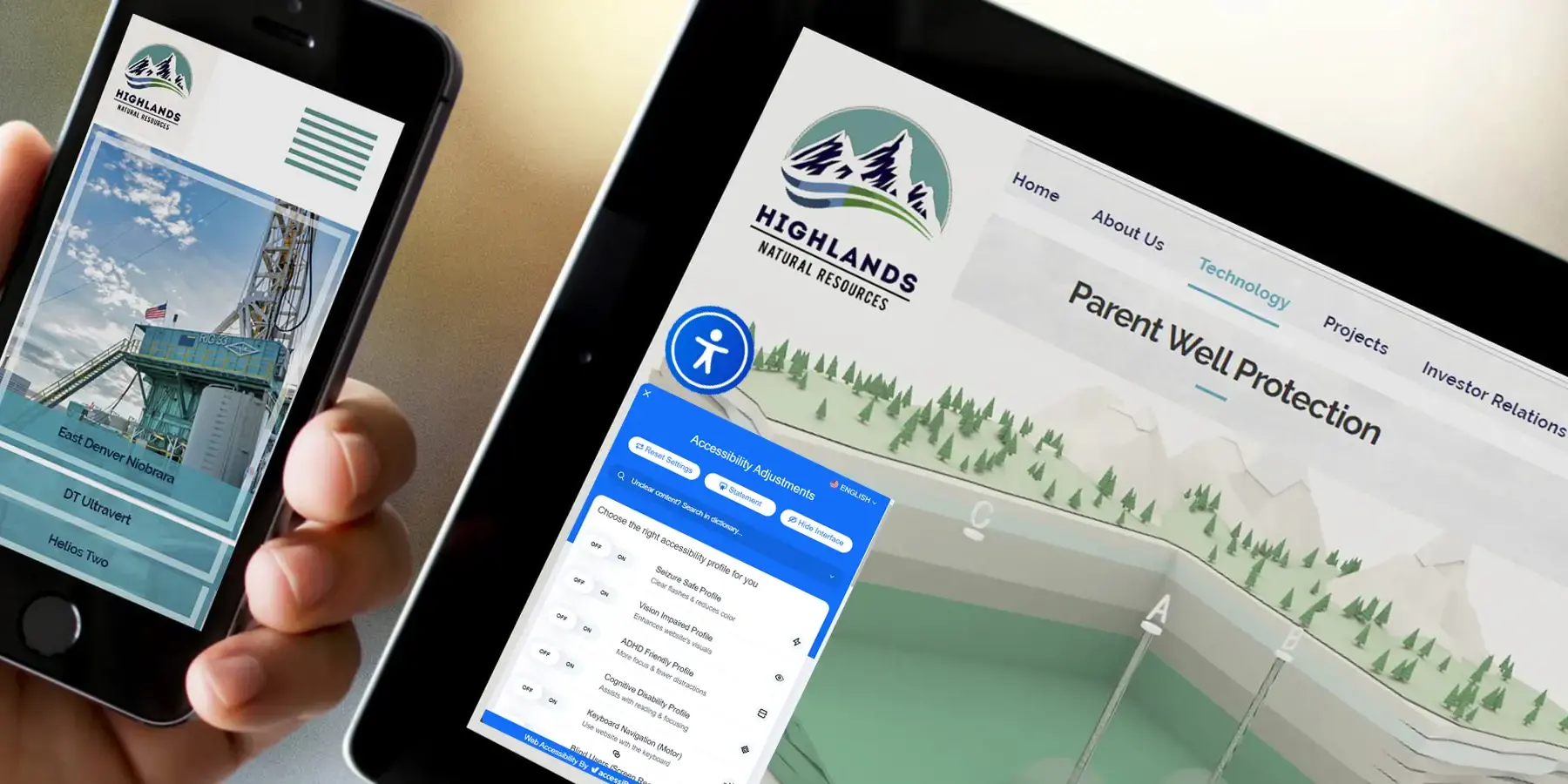
ADA Compliance and Website Accessibility: What Business Owners Actually Need to Know
Website accessibility is about more than installing an accessibility widget.…
May 20, 2026
Top 10 Branding Trends in 2026
Discover how AI is revolutionizing web design — from smart automation and…

August 30, 2026
When Information Becomes Cheap, Trust Becomes Valuable
Web DesignAIThe Big Orange Planet JournalSEOAI SEO
AI has made information cheap. That changes what people trust. When anyone can…
April 21, 2023
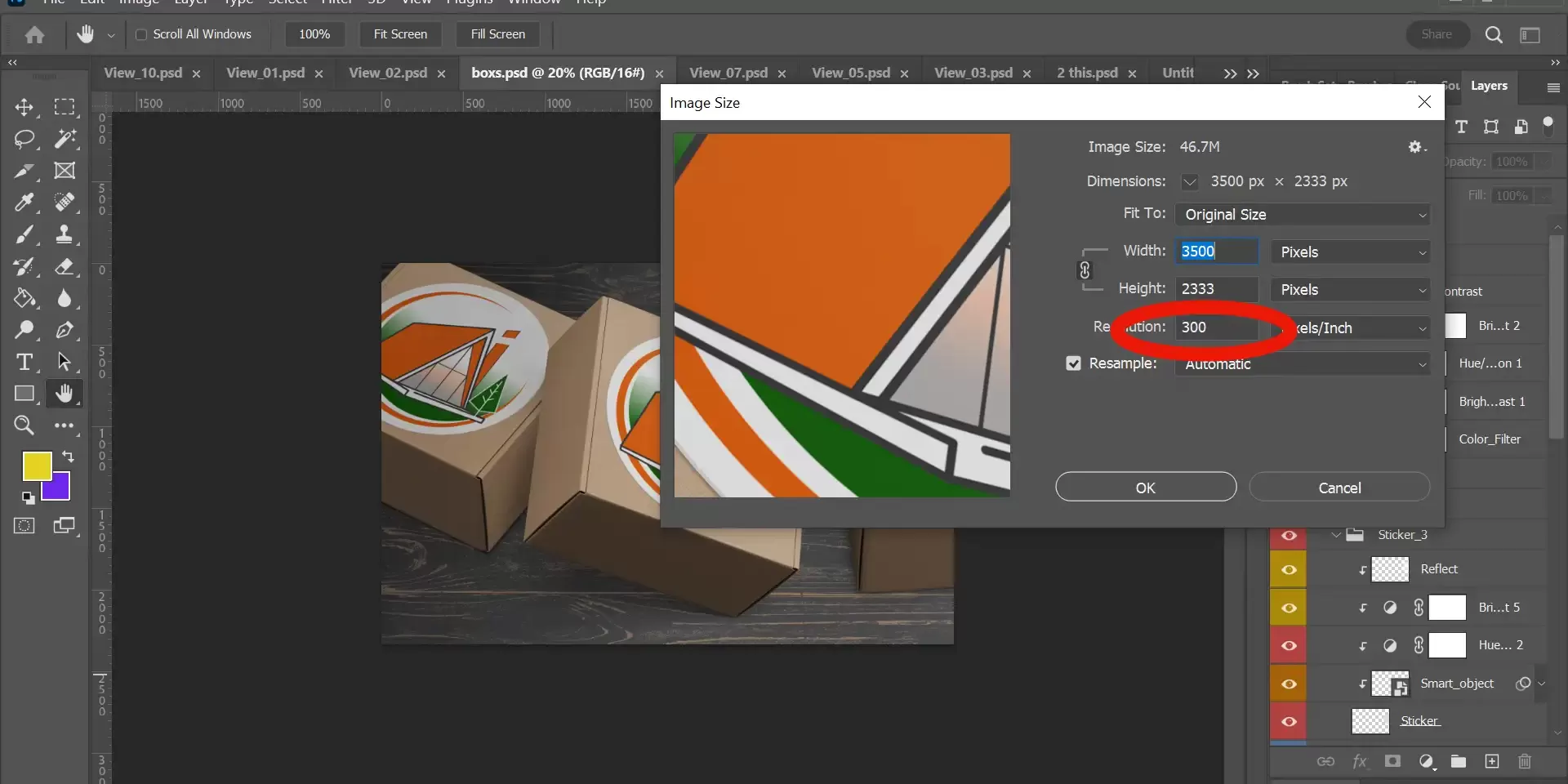
How to Successfully Compress Images for the Web
Web DesignThe Big Orange Planet JournalSEOweb development
Any visual web content has weight. And the larger a file's size, the slower it…