
What Should Every Small Business Website Include?
Building a Website That Actually Wins Customers| Real World Experience # 10
By Ally Lennon – 7 minute read
If you ask most small business owners whether they have a website, the answer is almost always yes. Ask a different question—whether that website consistently generates new enquiries, qualified leads, or sales—and the conversation often changes.
Simply having a website no longer provides a competitive advantage. Customers expect every legitimate business to have one, and search engines have become increasingly selective about which websites deserve to appear prominently in search results.
The businesses that succeed online aren’t necessarily those with the biggest budgets or the flashiest designs. They’re the ones whose websites make visitors feel confident from the moment they arrive. Every page quietly answers questions, removes uncertainty, and makes it easy for someone to take the next step. That’s ultimately what every small business website should be built to do.
One of the biggest misconceptions I encounter is the belief that a website’s primary purpose is to tell people about the business. In reality, the opposite is often true. Visitors arrive because they have a problem they need solved, not because they’re interested in reading your company history.
They’re wondering whether you provide the service they need, whether you work in their area, whether you’re experienced, and whether they can trust you with their time and money.
A successful website recognizes those questions immediately and answers them naturally. Instead of forcing visitors to hunt through menus or decipher clever marketing language, it presents information clearly, confidently, and without unnecessary distractions. That approach not only creates a better experience for your customers, it also aligns remarkably well with what Google has been rewarding in recent years.
The first few seconds
The first few seconds after someone lands on your homepage are more important than many business owners realize. Before reading every sentence, visitors are already making judgments based on what they see and how easily they understand it. They notice whether the design feels current, whether the navigation is logical, whether the pages load quickly, and whether the business appears established and professional.
Those impressions happen almost subconsciously, but they strongly influence whether someone continues exploring or simply returns to Google to click another result. Good web design isn’t about showing off the latest visual trends or filling pages with elaborate animations.
It’s about creating clarity. Visitors should immediately understand what you do, who you help, where you operate, and why they should choose you over the dozens of alternatives they found in the same search results. That’s the philosophy behind our approach to Denver web design, where every design decision is made with both the customer and search engines in mind.
Design alone, however, has never been enough
A beautiful website that fails to answer questions is little more than an attractive brochure. Increasingly, the websites that outperform their competitors are the ones filled with useful, practical information that genuinely helps potential customers make decisions.
Think about the conversations you have with clients every week. They ask how your process works, how long projects take, what makes your business different, what they should expect, and why your solution is worth the investment. Those conversations shouldn’t begin only after someone contacts you—they should begin on your website.
Every question answered through helpful content becomes another opportunity to build trust while also creating another page that search engines can understand and recommend. That’s one reason we’ve invested heavily in educational articles across Big Orange Planet. Instead of simply telling people that we build websites, we explain how websites work, why rankings change, and what businesses can do to improve their online visibility.
This shift toward genuinely useful content has transformed search engine optimization over the past several years. SEO today isn’t simply about inserting keywords into headings or repeating city names throughout a page. Google has become increasingly effective at recognizing expertise, authority, and helpfulness. Businesses that consistently educate their audience often outperform businesses that simply advertise themselves.
That’s why content strategy has become just as important as technical optimization. Articles answering common questions continue attracting visitors months or even years after they’re published, introducing new customers to your business long before they’re ready to make a purchasing decision.
If you’ve ever wondered why some companies seem to dominate search results regardless of algorithm updates, it’s usually because they’ve spent years building an extensive library of genuinely useful content rather than chasing shortcuts. Our guide to Denver SEO services explores this philosophy in greater detail and explains why sustainable SEO is always built on long-term value.
Trust is in the details
Trust, meanwhile, is built from hundreds of small details that many businesses overlook. Visitors notice whether photographs are authentic or obviously stock images. They notice whether testimonials appear genuine, whether the website displays real projects, whether the business has a physical location, and whether contact information is easy to find.
Even seemingly minor details—consistent typography, properly aligned pages, working links, and fast loading times—contribute to an overall impression of professionalism. The opposite is equally true. A website filled with outdated information, broken pages, slow performance, or inconsistent branding quietly creates doubt, even if visitors can’t immediately explain why.
They simply leave with less confidence than when they arrived. Those small losses accumulate, and eventually businesses begin wondering why their website attracts traffic without producing enquiries. More often than not, the problem isn’t a lack of visitors; it’s a lack of confidence.
Website speed
Website speed deserves special attention because it affects nearly every aspect of the online experience. Modern internet users have grown remarkably impatient, and understandably so. With countless alternatives available just a click away, few people are willing to wait for oversized images, bloated code, or unnecessary animations to finish loading.
Search engines recognize this behavior and increasingly reward websites that provide smooth, responsive experiences. Speed isn’t about chasing perfect performance scores for the sake of a report card. It’s about respecting your visitors’ time. A website that feels effortless encourages people to read another page, explore another service, and spend a little longer learning about your business. Those additional minutes often become the difference between a casual visitor and a new customer.
Navigation
Navigation is another area where simplicity consistently outperforms complexity. I’ve seen businesses invest thousands of dollars creating elaborate menus, layered navigation systems, and creative layouts that ultimately make it harder for visitors to accomplish simple tasks.
Most people arrive on a website with a clear goal in mind. They want information, reassurance, or a way to contact the business. Every extra click, confusing menu, or unnecessary decision increases the likelihood that they’ll abandon the process altogether. The best websites quietly guide visitors from one page to the next without making them think about the journey. Internal linking plays an important role here as well. Rather than treating every page as an isolated destination, a well-structured website naturally introduces visitors to related topics.
Someone interested in web design might also benefit from learning about SEO, branding, or Google’s changing algorithms, creating a richer experience while simultaneously helping search engines understand how your content fits together.
That’s one reason we encourage businesses to think beyond individual pages and start viewing their websites as interconnected resources. An article discussing user experience might naturally point readers toward our piece explaining Why Visitors Leave Websites in Seconds, while someone exploring artificial intelligence may find additional value in Can AI Build My Website?
Businesses trying to understand unpredictable ranking fluctuations often continue reading our analysis of the Google algorithm updates and shifting search rankings. These connections don’t exist simply for SEO purposes. They help visitors answer additional questions without returning to Google, strengthening both the user experience and the overall authority of the website.
Too many websites are treated like completed projects
Perhaps the most important thing every small business website should include isn’t a particular feature at all—it’s a commitment to continual improvement.
Too many websites are treated like completed projects. They’re launched, celebrated for a few weeks, and then left untouched for years while competitors continue publishing new content, improving performance, refining messaging, and expanding their expertise.
Search engines notice which businesses continue investing in their websites, and customers notice too. Fresh articles answer new questions, updated service pages reflect changing markets, additional testimonials demonstrate ongoing success, and improved photography keeps the business looking active and engaged. None of these updates needs to be dramatic, but together they send a powerful message that the company behind the website is growing rather than standing still.
The businesses that consistently succeed online rarely achieve that success through a single redesign or one perfectly optimized page. They succeed because every improvement builds on the last. Better content leads to longer visits. Better navigation encourages visitors to explore additional pages.
Stronger internal linking helps both customers and search engines understand the site more completely. Greater trust leads to more enquiries, and more enquiries create additional success stories to showcase on the website. Over time those small improvements reinforce one another until the website becomes one of the business’s most valuable assets rather than simply another marketing expense.
A reason to exist
A small business website should never exist simply because every business is expected to have one. It should exist because it solves problems, answers questions, earns trust, and makes it easy for customers to choose you with confidence.
Everything else—higher search rankings, increased traffic, better conversion rates, and stronger online visibility—is usually the natural result of building a website that genuinely deserves attention.
If your current website isn’t delivering the results you expected, it may not need another flashy redesign or another collection of marketing buzzwords. It may simply need to become more useful. In today’s digital landscape, usefulness has become one of the most powerful competitive advantages any small business can have.
Get the Good Stuff
No fluff. Just practical web design ideas, SEO insight, behind-the-scenes projects, & solutions we've tested in the real world.
Never Miss a Good Idea
More Big Orange Knowledge

June 17, 2026
The AI Gold Rush: What AI Can Actually Do for Your Business
AIThe Big Orange Planet JournalSEO
AI is being sold as the answer to almost everything, but the reality is more…

August 9, 2026
The Complete Website Launch Checklist: SEO, Security, Performance, Analytics & More
Web DesignThe Big Orange Planet Journal
Launching a website is about more than making sure the pages look right. Before…

June 14, 2026
Can a Website Increase Sales? Here’s What Actually Makes The Difference
SEOWeb DesignThe Big Orange Planet Journal
A website can increase sales, but design alone isn't enough. The real…
August 28, 2024
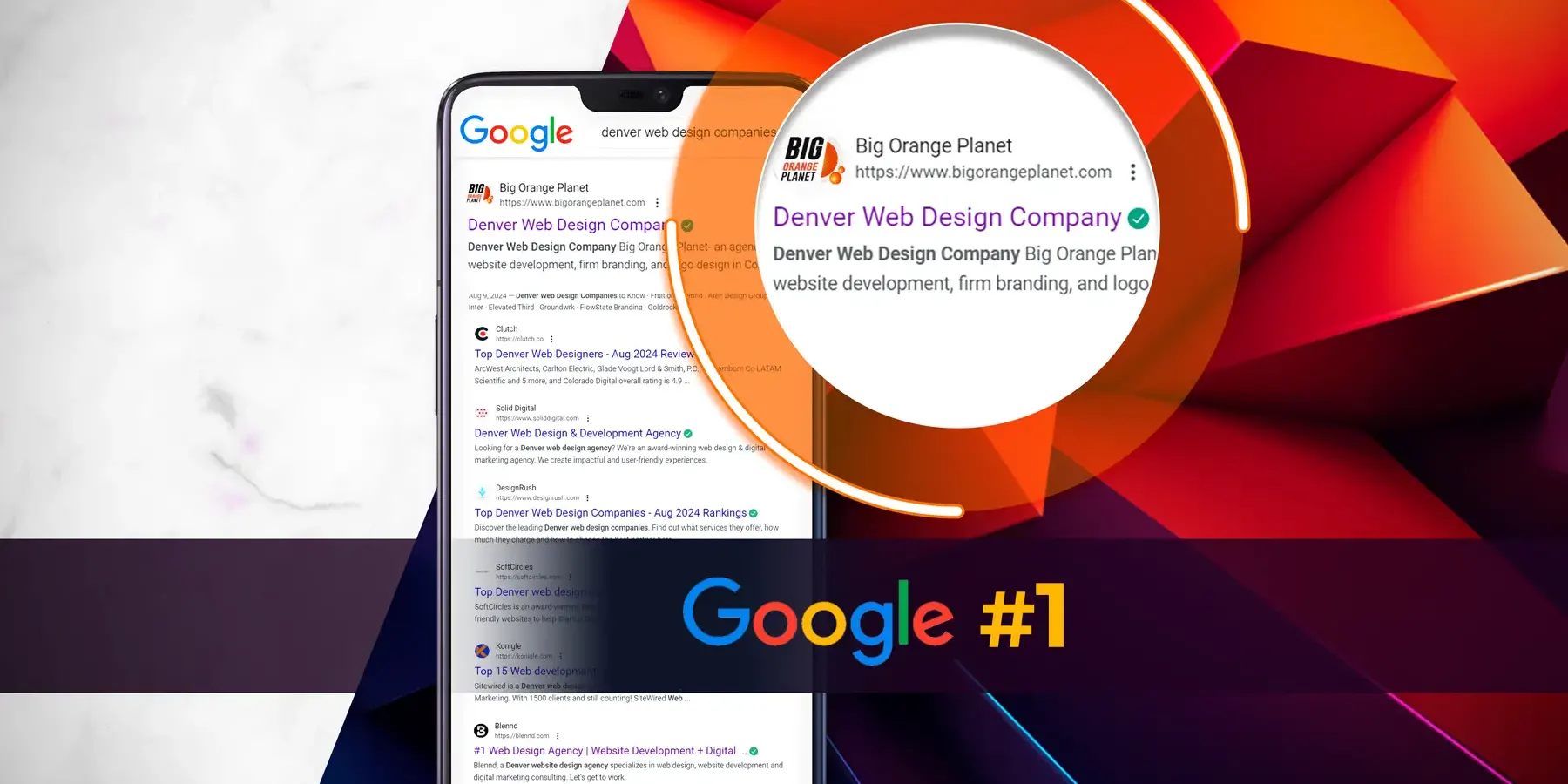
Google – Algorithm update August 2024
Google is continuing to roll out a very major update to its algorithmn, what is…

September 16, 2026
The $200 Logo Job That Wanted a Full Legal Department
A $200 logo project arrived with luxury-brand requirements, an NDA, corporate…

September 28, 2026
AI Is Moving From Answers to Actions. What Happens Next?
The Big Orange Planet JournalWeb DesignAI
AI is moving from answering questions to taking action. Based on current…