
Why Your Website Isn’t Generating Leads (And How to Fix It)
A lot of businesses assume that once their website is live, leads should start coming in. When they don’t, the first reaction is usually to look at traffic. Not enough visitors, not enough exposure, maybe more marketing is needed. But in many cases, the issue isn’t traffic at all. It’s what happens after someone lands on the site. A website can get consistent visitors and still fail to generate leads if it isn’t structured to guide people toward action. And that’s where most sites quietly break down.
The Problem Usually Isn’t Obvious
From the outside, many websites look fine. The design is decent, the information is there, and everything technically works. But when you step back and experience the site as a user, the gaps start to show. It’s not always one major issue. More often, it’s a series of small points of friction that add up. The message isn’t completely clear. The next step isn’t obvious. The layout requires just a bit too much effort to navigate. None of those things seem critical on their own, but together they create hesitation. And hesitation is what kills conversions.
Clarity Comes Before Conversion
When someone lands on your website, they’re usually trying to answer a simple question: “Is this what I’m looking for?” If the answer isn’t immediately clear, they don’t stick around long enough to figure it out. That clarity starts with how your site is structured and how your message is presented. It’s not about saying more — it’s about making the right things obvious right away. This is one of the areas where strong web design in Denver tends to stand out. In more competitive markets, websites need to communicate quickly because users have more options and less patience. If your site requires effort to understand, it’s already at a disadvantage.
The Path to Action Needs to Be Simple
Even when someone is interested, they still need a clear path forward. What should they do next? Call? Fill out a form? Request a quote? If that next step isn’t obvious, or if it feels inconvenient, people put it off or leave entirely. This is where structure matters more than most businesses expect. Calls to action shouldn’t feel forced, but they should be visible and easy to follow. A surprising number of websites bury their contact options or make them harder to access than they need to be. It doesn’t seem like a big issue until you realize how often it costs you real opportunities.
Trust Is Built in Seconds
Before someone reaches out, they need to feel confident in your business. That judgment happens quickly. It’s influenced by how the site looks, how it feels to use, and whether everything appears current and consistent. If something feels outdated or slightly off, it creates doubt. Not enough to trigger a conscious decision, but enough to make someone hesitate. That hesitation often leads them to keep looking. A clean, well-structured site doesn’t guarantee leads, but it removes one of the biggest barriers. It makes it easier for people to feel comfortable taking the next step.
Traffic Without Conversion Is a Dead End
It’s easy to focus on getting more visitors. But if your site isn’t converting the traffic you already have, more traffic won’t fix the problem. It just scales the inefficiency. Before investing heavily in additional marketing, it’s worth looking at how your current site performs. Are people staying on the page? Are they moving through the site? Are they taking action? If not, the issue is likely structural. This is why design and performance need to be considered together. Strong Denver web design services don’t just focus on how a site looks — they focus on how it works once someone arrives.
Small Improvements Compound Quickly
The good news is that most websites don’t need to be completely rebuilt to improve results. In many cases, small changes make a noticeable difference. Clarifying the headline. Simplifying the layout. Making the next step more visible. Improving load speed. Individually, these adjustments seem minor. But together, they reduce friction and make it easier for users to move forward. That’s often all it takes to start seeing better results.
When It Makes Sense to Rethink the Site
Sometimes, though, the issues go deeper. If the site is outdated, difficult to navigate, or built without a clear structure, incremental fixes may only go so far. At that point, it’s usually more effective to step back and approach it more intentionally. That doesn’t mean starting over without direction. It means building something with a clearer understanding of how people actually use your site and what they need to see. Once that foundation is in place, everything else tends to work more smoothly.
Final Thoughts
A website that doesn’t generate leads isn’t necessarily broken. But it’s usually not aligned. It’s not guiding users clearly enough. It’s not making the next step easy. Or it’s creating just enough friction to slow people down. When those issues are addressed, the change is often noticeable. Engagement improves, conversions increase, and the site starts to feel like it’s working with your business instead of against it. And in most cases, that shift has less to do with adding more and more to the site and more to do with refining what’s already there.
About Big Orange Planet
Big Orange Planet is a Denver-based web design and SEO company that has been helping businesses build successful websites and improve search visibility for more than two decades. Our team focuses on creating fast, effective websites while helping companies understand how search engines evolve over time. This article was written by Ally Lennon, Big Orange Planet’s SEO legend—call him directly! Phone: 720-272-0770.
Get the Good Stuff
No fluff. Just practical web design ideas, SEO insight, behind-the-scenes projects, & solutions we've tested in the real world.
Never Miss a Good Idea
More Big Orange Knowledge

June 29, 2026
Why Doesn’t AI Recommend my Business?
Your business can have a website, reviews, content and online authority and…

May 26, 2026
Affordable Web Design in Denver: What You Really Get
Affordable web design doesn't have to mean cheap or poorly built. Here's what…
May 17, 2026
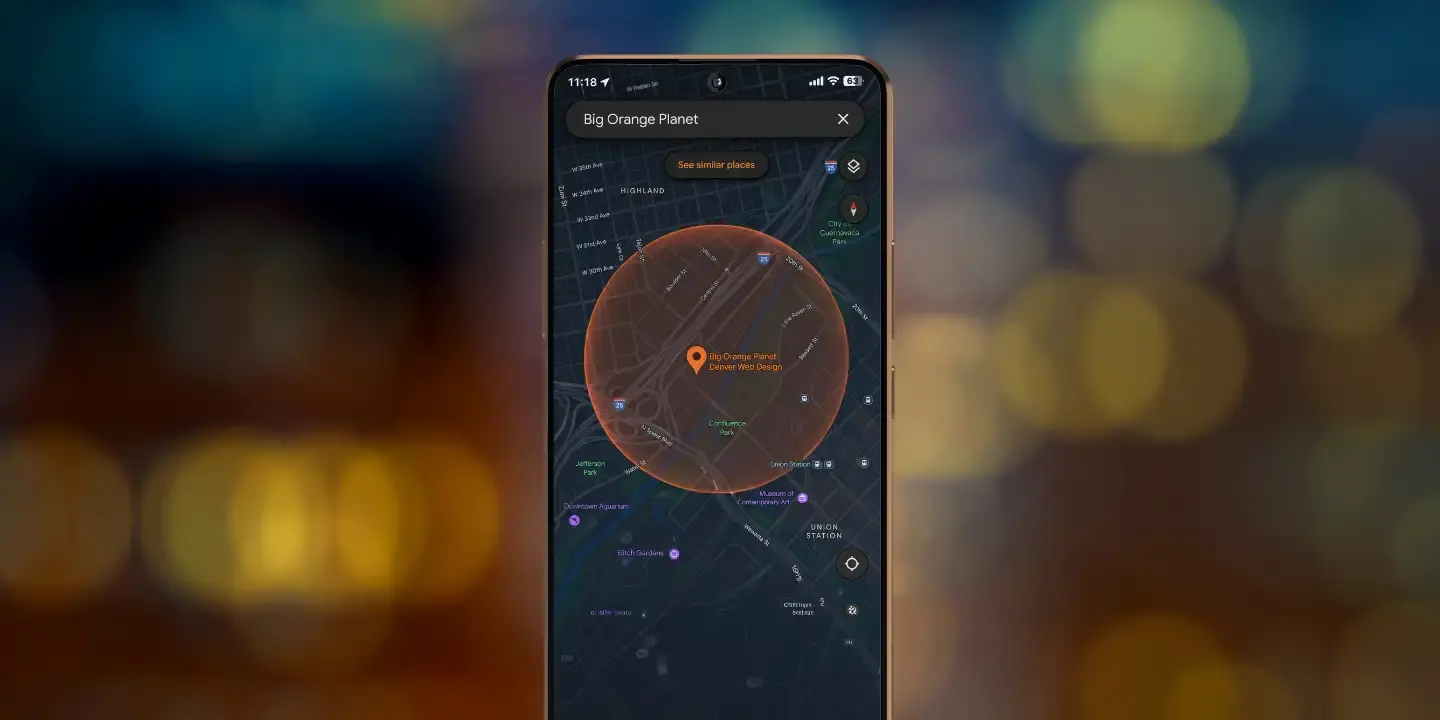
How Proximity Impacts Local Rankings in Google Search
The Big Orange Planet JournalSEO
Proximity is one of the biggest factors affecting local Google rankings. We…
April 21, 2023
The 4 different approaches to building a website.
There are now four primary ways to build a website: traditional website…

December 3, 2025
How AI Is Transforming Web Design
Discover how AI is revolutionizing web design — from smart automation and…

June 27, 2026
Your Router Says It Has “AI Security” — Do You Still Need a VPN in 2026?
Discover how AI is revolutionizing web design — from smart automation and…