
How Website Design Impacts SEO Rankings — Complete Guide
Most people still think of web design and SEO as two separate things. One is how a site looks, the other is how it ranks .In reality, they’re tightly connected. The way a website is designed — structurally, technically, and even visually — has a direct impact on how it performs in search.
You can have strong content and still struggle to rank if the site underneath it isn’t built properly. And you can have a visually impressive site that quietly underperforms because search engines can’t interpret or trust it the way they should. That gap is where a lot of businesses get stuck. Design Is Structure First, Not Just Appearance
When people hear “design,” they usually think about colors, layouts, and branding. But from an SEO perspective, design starts much earlier — with structure. How pages are organized, how content is grouped, and how users move through the site all influence how search engines understand it. A well-structured site makes it easier for Google to crawl pages, interpret relationships between topics, and assign relevance to specific searches.
A poorly structured site does the opposite. Important pages get buried, content becomes disconnected, and rankings become inconsistent. If you’re looking at how this plays out in a competitive local market, the way web design in Denver is structured becomes a clear example of how organization and intent affect visibility.
How Users Experience Your Site Affects Rankings
Search engines pay close attention to how people interact with your website. If someone lands on your site and quickly leaves, that sends one signal. If they stay, explore, and engage, that sends another. Design plays a huge role in that behavior.
Clarity is often the difference. When a site immediately communicates what it does and what the user should do next, people stay. When it feels confusing or requires effort, they leave. This is less about visual style and more about reducing friction. Navigation, layout, spacing, and readability all shape how easily someone can move through a site, and those patterns influence how search engines evaluate it.
Speed Is a Design Decision
Website speed is often treated as a technical issue, but it’s heavily influenced by design choices. Large images, unnecessary animations, and overly complex layouts all slow things down. Even small delays can impact how users interact with your site, especially in competitive markets.
Search engines factor speed into rankings because it directly affects experience. A fast site feels effortless. A slow one creates hesitation. That’s why performance isn’t something you fix at the end. It’s built into how the site is designed and developed from the beginning.
Mobile Experience Shapes Visibility
Most users now visit websites on mobile devices, and search engines evaluate sites with that in mind. A design that works well on desktop but breaks down on mobile creates friction immediately. Text becomes harder to read, navigation becomes awkward, and users leave faster. Those behaviors feed back into rankings. Mobile usability isn’t a secondary feature anymore. It’s part of the foundation, and it needs to be considered from the start.
Content Needs the Right Environment
Even strong content can underperform if it’s presented poorly. If text is difficult to scan, buried in clutter, or structured in a way that interrupts flow, users won’t engage with it. And when engagement drops, rankings often follow.
Good design supports content quietly. It makes information easier to absorb without getting in the way. Simple things like spacing, typography, and layout have a bigger impact than most people expect.
Internal Linking Starts With Design
Internal linking is one of the most overlooked aspects of SEO, and it’s closely tied to how a site is structured. When a site is organized well, connections between pages happen naturally. Related content links together, and users can move through topics without friction.
That same structure helps search engines understand how pages relate to each other. When those connections are missing, pages become isolated. That makes it harder for search engines to assign value and context.
Trust Is Built Into the Experience
Search engines don’t just evaluate content. They also look at signals that suggest whether a site is trustworthy. Design plays a role here in subtle ways. A site that feels outdated or difficult to use can undermine confidence quickly. A clean, well-structured site tends to feel more reliable, even before someone reads deeply.
Users respond to that almost immediately, and those patterns of behavior feed back into how the site performs in search.
Why SEO and Design Work Best Together
Treating SEO and design as separate phases often creates unnecessary problems. If a site is designed first and optimized later, adjustments become harder. Structure may need to change, content may need to be reworked, and performance issues may already be built in.
When both are considered from the start, the result is more cohesive. The site is built with visibility in mind, not adjusted after the fact. If your focus is on results rather than just appearance, it’s worth understanding how Denver web design services are structured around both performance and search visibility from the beginning.
Final Thoughts
Website design doesn’t just influence how a site looks. It shapes how it performs. From structure and speed to usability and trust, the decisions made during design carry through everything that follows. They affect how users interact with the site and how search engines interpret it.
When those elements are aligned, SEO becomes more predictable. Rankings stabilize, engagement improves, and the site begins to function as a cohesive system rather than a collection of pages. And in most cases, that’s the difference between a website that simply exists and one that consistently contributes to the business behind it.
About Big Orange Planet
Big Orange Planet is a Denver-based web design and SEO company that has been helping businesses build successful websites and improve search visibility for more than two decades. Our team focuses on creating fast, effective websites while helping companies understand how search engines evolve over time. This article was written by Ally Lennon, Big Orange Planet’s SEO legend—call him directly! Phone: 720-272-0770.
More Big Orange Knowledge

June 17, 2026
The AI Gold Rush: What AI Can Actually Do for Your Business
SEOAIThe Big Orange Planet Journal
AI is being sold as the answer to almost everything, but the reality is more…
July 8, 2024
Alt Text for Images: What It Is, Why It Matters, and How to Use It Correctly
SEOThe Big Orange Planet Journal
Alt text is more than an SEO checkbox. Learn what image alt text actually does,…
February 25, 2026
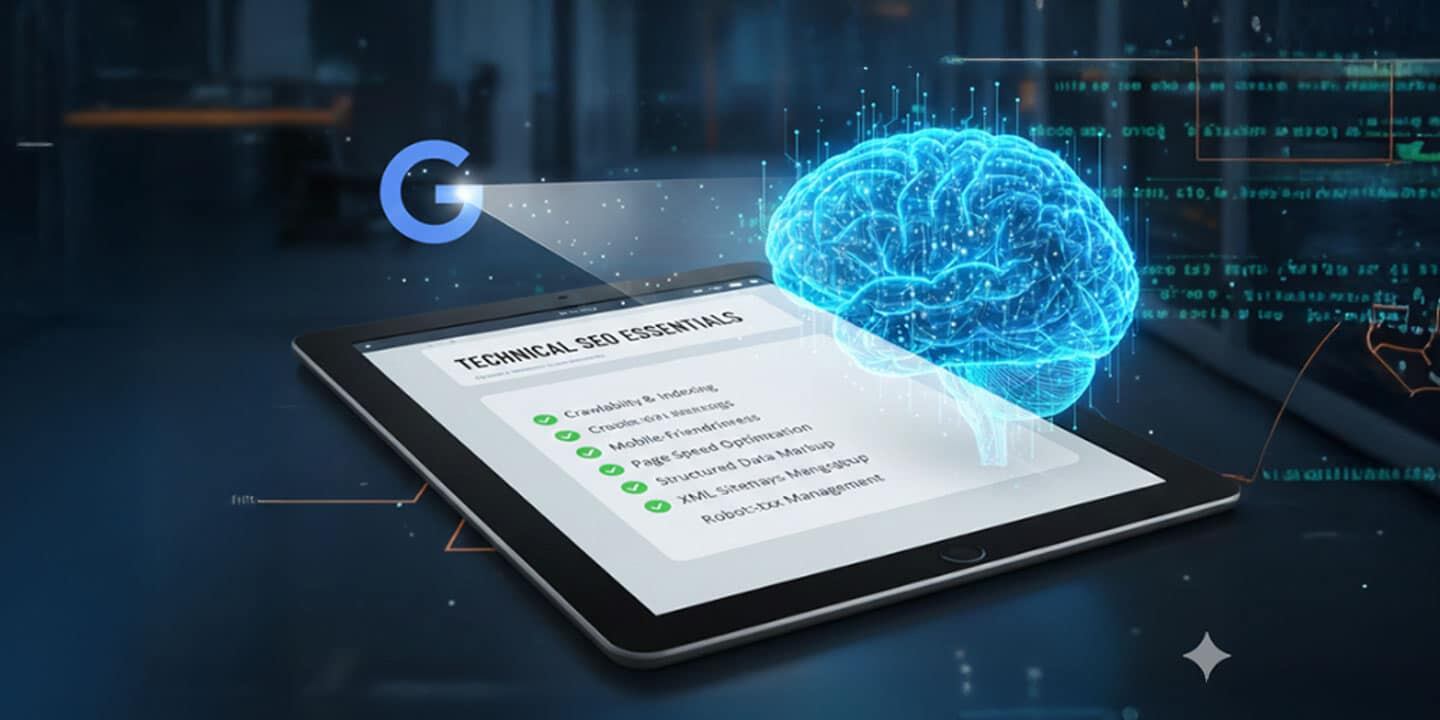
The Technical SEO Essentials for Every Website
Great content won’t rank if your site’s technical foundation is broken. Here…
October 13, 2025
Headless WordPress: When and How to Use It
Headless WordPress refers to a setup where WordPress is used solely as a…

September 9, 2026
How Digital Tools Are Changing the Way Modern Businesses Grow
An exploration of how digital tools are helping modern businesses work more…
June 28, 2024
Website Speed Matters More Than You Think
Website speed affects SEO, mobile performance and user experience. Learn how to…