
Internal Linking: The Most Overlooked SEO Lever
There’s a pattern I keep running into with sites that should be performing better than they are. On the surface, everything looks fine. The content is decent, the targeting isn’t wildly off, and there’s at least some level of effort being put into visibility. But nothing really holds. Rankings move up, then slip back. Pages get traction, then fade out. It feels inconsistent, almost like Google can’t quite decide what the site is supposed to be.
In most of these cases, the issue isn’t more content or better backlinks. It’s structure. More specifically, it’s internal linking—or the lack of a deliberate, consistent approach to it.
Google doesn’t evaluate pages in isolation, even though a lot of SEO advice still treats it that way. It’s constantly trying to understand context: how pages relate to each other, which ones matter most, and how authority should move through a site. Internal links are one of the clearest ways you communicate all of that. Without them, or with them used inconsistently, you’re effectively asking Google to figure things out on its own. And right now, it’s far less forgiving when it has to guess.
If you’ve been watching rankings shift more than usual, that’s not random. It ties directly into what’s covered in this breakdown of ranking volatility and Google’s recent changes. When Google becomes less stable in how it evaluates sites, structure starts to matter more, not less.
Most websites are built in a way that makes this worse over time. They don’t start with a structure—they accumulate one. A blog post gets added here, a service page there, maybe a few links get dropped in during publishing if someone remembers. Over time, you end up with something that feels complete from a user perspective but looks flat and disconnected from a search perspective. Important pages don’t get reinforced, related topics aren’t clearly tied together, and whatever authority the site has ends up spread thin instead of being directed with intent.
That’s really what internal linking is about: control. Backlinks are external signals, and while they matter, they’re never fully in your hands. Internal links are different. You decide which pages get emphasized, how often they’re referenced, and what language is used to describe them. If a page isn’t ranking, one of the first things worth looking at is how many meaningful internal links actually point to it. Not just links for the sake of linking, but intentional references that signal relevance and importance. This is exactly where most businesses trying to rank for competitive terms like Denver SEO company fall short—they build the page, but never truly support it.
Anchor text is where this becomes more than just structure and starts acting as a clear signal. The words used in a link tell Google what the destination page is about, and most sites waste that opportunity by defaulting to vague or generic phrasing. Over time, consistent, natural anchor text builds a much stronger association between a page and the terms it should rank for. It doesn’t need to be forced or over-optimized, but it does need to be deliberate. When that consistency is missing, the signal gets diluted. If you want a deeper look at how that plays out in unstable SERPs, it’s something I touched on in how to rank in Denver search results when rankings won’t sit still.
Once internal linking is handled properly, the site starts to behave differently. Instead of a loose collection of pages, it becomes a connected system. Related content reinforces itself. Core pages gain weight because they’re consistently supported. This is where topic clusters start to emerge naturally, even if they weren’t formally planned that way at the start. A central page becomes the focal point, supported by surrounding content that both feeds into it and draws authority from it. That kind of structure is far easier for Google to interpret, and more importantly, it’s easier for it to trust.
That trust is what’s been missing for a lot of sites lately. With rankings shifting more frequently, pages that aren’t clearly supported tend to move the most. They might rank briefly, but they don’t hold position because nothing is reinforcing them beneath the surface. Internal linking acts as that reinforcement. It gives pages context, stability, and a reason to stay where they are.
What makes this particularly useful is that it doesn’t require a complete rebuild to start improving. The shift is more about mindset than effort. Instead of treating internal links as something you add at the end, they become part of how content is created and maintained. Every new page should have a clear role—what it supports, what supports it, and how it connects back into the broader structure. Just as importantly, older content shouldn’t stay static. Going back and tightening connections over time is where a lot of the real gains come from, and it’s the part most sites skip entirely.
When this is done well, the effects tend to show up quietly but consistently. Pages get indexed more quickly, new content performs faster, and rankings become less volatile. There’s less of that spike-and-drop behavior because the site is giving Google a clearer, more confident signal about what matters and why.
There’s always a pull in SEO toward whatever feels new or tactical, especially when results aren’t where they should be. But internal linking isn’t a tactic in that sense. It’s infrastructure. It’s one of the few areas where you have complete control, and right now, it’s one of the strongest ways to stabilize and improve performance without relying on anything external.
Most sites still treat it as an afterthought. That’s exactly why it continues to work.
This article was written by Ally Lennon, Big Orange Planet’s SEO legend—call him directly! Phone: 720-272-0770.
More Big Orange Knowledge
September 5, 2025
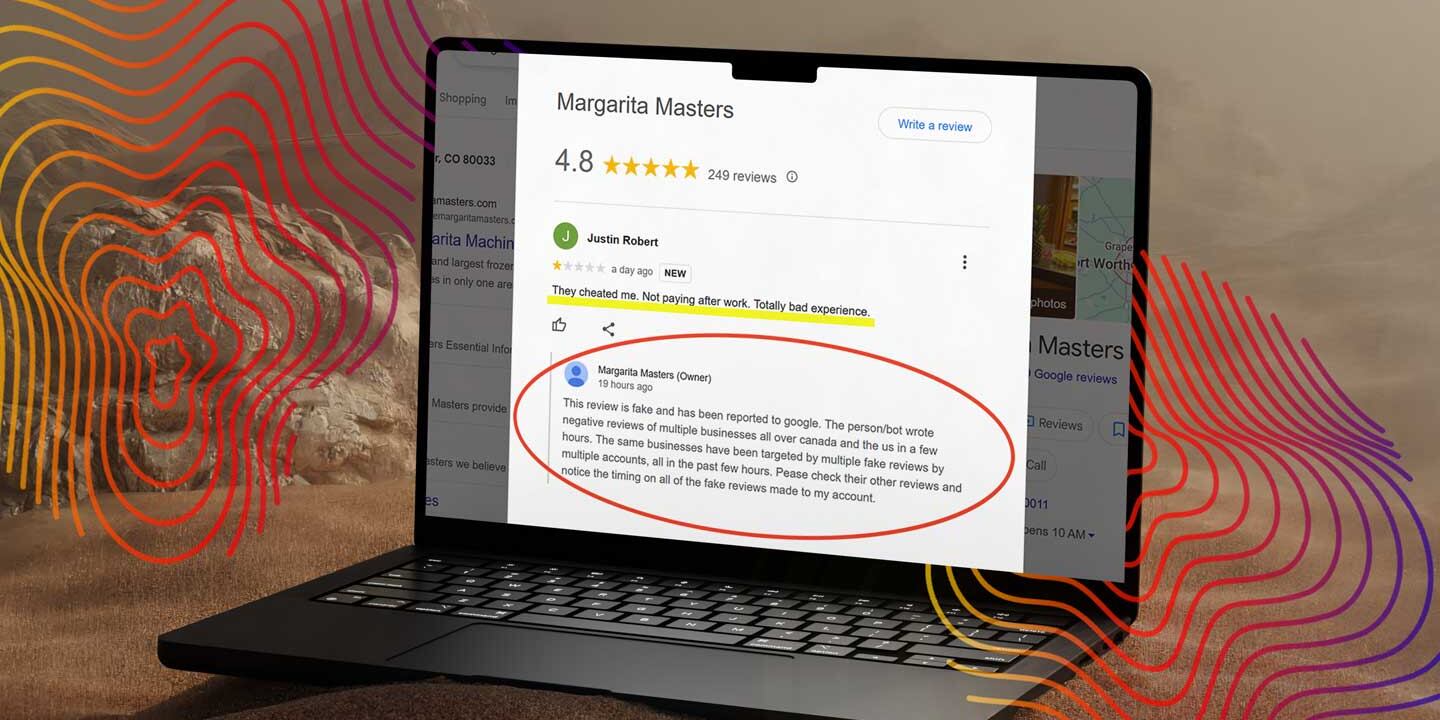
How to Stop a Negative SEO Attack from Fake Google Reviews
Google rankingDenver Web DesignOrganic SEOGoogle indexingSEOGoogle
We stopped a negative SEO attack of fake Google reviews. Learn how we removed…

April 25, 2025
Leveraging Directory Citations to Boost Your Digital Marketing Efforts
Digital MarketingSEOLocal SEOGoogleOrganic SEO
For businesses aiming to succeed in 2025, understanding the power of citations…
August 28, 2024
Google – Algorithm update August 2024
Web DesignLocal SEOSEOOrganic SEODenver Web DesignAI
Google is continuing to roll out a very major update to its algorithmn, what is…

April 3, 2026
Colorado Web Design & Development: Strategy, Costs & Growth Guide
WordPressWeb DesignGoogleBusinessweb developmentEntity SEODigital Marketing
Google search results are shifting across industries, keyword clusters, and…
January 17, 2025
All web hosts are essentially the same- right?
Web DesignSEOSecurityDenver Web Design
Website hosting is a very minimal business expense- cutting corners to save a…

March 16, 2026
From Recovery to Verification: The Complete Guide to Securing Your Instagram Presence
Digital MarketingSocial MediaCybersecurity
A step-by-step guide to recovering a hacked or locked Instagram account,…