
Quick Summary
Entire groups of businesses in the same city are shifting positions in Google search results. This usually happens when Google recalibrates how it ranks a specific service category. Google tests different result types — agencies, directories, and keyword‐focused sites. Ranking volatility often lasts several weeks while Google gathers user interaction data. Businesses that demonstrate credibility and expertise tend to perform well long‐term.
Introduction
Over the past several weeks I’ve been watching Google search results move in ways that are noticeably different from typical day‐to‐day ranking fluctuations. Normally when rankings change, a single website moves up or down while the rest of the results stay relatively stable. But lately I’ve been seeing something very different in many local service searches — entire groups of businesses shifting positions at the same time. Sometimes long‐established companies temporarily move down in the results while unfamiliar websites appear near the top. A few days later the results may shift again. Directories appear where agencies used to rank, and then individual businesses return to the top. When this kind of movement happens across an entire service category within a specific city, it’s often a sign that Google is recalibrating how it ranks that industry.
How Google Recalculates Local Service Industries
One of the biggest misconceptions about search rankings is that Google evaluates every website independently. In reality, the algorithm frequently evaluates groups of related searches together. SEO professionals often refer to these as keyword clusters or topic clusters. For example, searches like “web design denver,” “denver web design company,” and “denver website designers” are typically interpreted as variations of the same topic. When Google decides to adjust how it ranks that topic, every result connected to that cluster can move. This is why multiple businesses sometimes shift positions at the same time.
Why Google Tests Different Types of Results
During algorithm updates Google often experiments with the types of websites that appear in search results. For a local service query the algorithm might rotate between several different result types — established agencies, directories, niche providers, and keyword‐focused domains. The goal is to measure how users interact with those results. Google watches signals like click‐through rates, how long visitors stay on a page, and whether users quickly return to search results. Why Unfamiliar Websites Sometimes Appear One of the most confusing aspects of algorithm testing phases is seeing unfamiliar or thin websites appearing near the top of search results. This doesn’t necessarily mean Google suddenly prefers low‐quality websites. Instead the algorithm may simply be testing how users interact with those pages. If searchers click a result but quickly return to Google to choose another listing, the algorithm learns that the page may not satisfy the search intent.
The Growing Importance of Business Credibility
In recent years Google has become much better at identifying real businesses rather than simply ranking individual web pages. Signals that help confirm credibility include customer reviews, consistent business listings, brand mentions across the web, and a long‐standing online presence. These types of signals help Google determine whether a company is a legitimate provider of the service being searched for.
Why Entire Cities Sometimes Shift Together
Another interesting pattern during algorithm updates is that ranking changes often occur within specific geographic markets. Google evaluates local search results within the context of each city’s competitive landscape. When the algorithm recalibrates a service category, it may adjust the results for that location independently. As a result entire groups of businesses in a city can move up or down together. Why Homepages and Service Pages Sometimes Switch Another behavior I often see during ranking volatility is Google alternating between a homepage and a service page from the same website. For example, one day a homepage might rank prominently for a service search. A few days later Google may show a specific service page instead. This usually indicates that the algorithm is testing which page best satisfies the intent behind the search.
How Long Ranking Volatility Usually Lasts
Large algorithm recalibrations often unfold over several weeks. In the early stage rankings fluctuate significantly as Google experiments with different result combinations. Over time the algorithm gathers enough user interaction data to determine which pages provide the best experience.
What Businesses Should Do During Ranking Volatility
When rankings change suddenly it’s natural to want to react quickly. However making drastic changes during an algorithm update can sometimes create additional problems. In most cases the better approach is to analyze what’s happening across your industry and monitor trends over time before making structural changes to your website.
Final Thoughts
Seeing entire industries shift in search results can be unsettling for businesses that rely on search traffic. But these changes are often part of how Google improves search quality. When the algorithm recalculates how it ranks a service category, entire groups of businesses may move temporarily while the system tests different ranking models. Businesses that focus on clear service information, helpful content, and strong credibility signals tend to
perform well once the results stabilize.
Frequently Asked Questions
Q- Why did my Google rankings suddenly change?
A- Sudden ranking changes often occur when Google recalculates how it interprets a group of related searches. This can cause multiple keywords to move at once.
Q- Is Google updating search results right now?
A- Search results can fluctuate during algorithm updates as Google tests different result combinations and measures user behavior.
Q- How long do Google updates usually last?
A- Major updates often cause noticeable volatility for several weeks before the search results stabilize.
Q- What should businesses do when rankings change?
A- Avoid panic changes and focus on strengthening the structure, clarity, and authority of your website.
About Big Orange Planet
Big Orange Planet is a Denver-based web design and SEO company that has been helping businesses build successful websites and improve search visibility for more than two decades. Our team focuses on creating fast, effective websites while helping companies understand how search engines evolve over time. This article was written by Ally Lennon, Big Orange Planet’s SEO legend—call him directly! Phone: 720-272-0770.
More Big Orange Knowledge
September 5, 2025
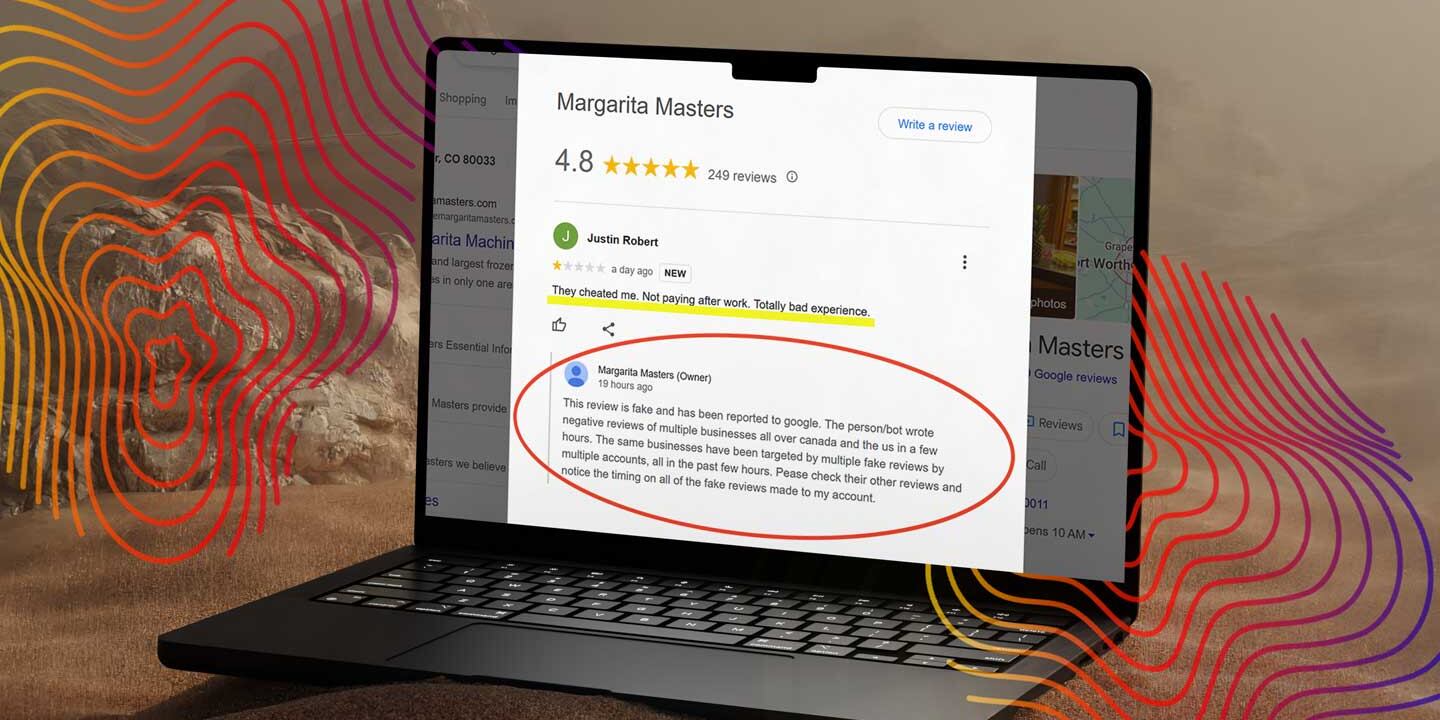
How to Stop a Negative SEO Attack from Fake Google Reviews
Google rankingDenver Web DesignOrganic SEOGoogle indexingSEOGoogle
We stopped a negative SEO attack of fake Google reviews. Learn how we removed…

June 28, 2024
The Importance of website speed
Web DesignSEODenver Web Design
How fast your website loads is a critical piece of the SEO puzzle. And…

July 3, 2025
Indexing vs. Ranking: What’s the Difference and Why It Matters
Google rankingDenver Web DesignOrganic SEOGoogle indexingSEOGoogle
Indexing = Your site is in Google’s database. Ranking = Your site is showing up…
February 27, 2025
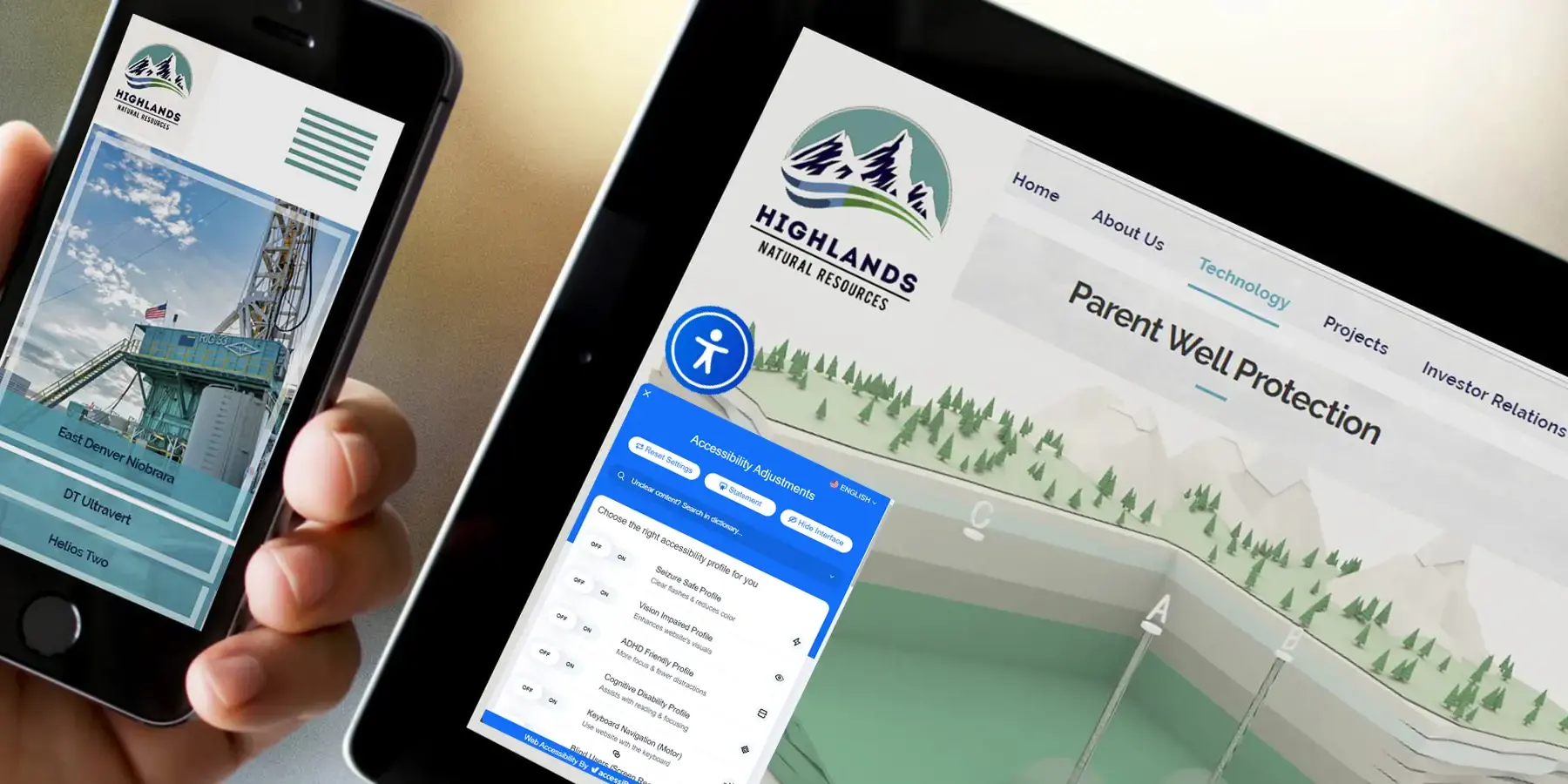
ADA Compliant: What is it and whys it important for me?
Organic SEOWeb DesignLocal SEOSEOADA Compliant
Its easy to have your site become ADA Compliant, and the benefits to your web…

July 5, 2024
Configuring WP Rocket for optimal site speed
Web DesignSEOOrganic SEODenver Web Design
Our firm has tested all the major wordpress site speed related plugins. We have…

April 22, 2025
Google SEO that works fast
SEOGoogleOrganic SEOchatgptLocal SEO
Here at Big Orange Planet we have proven SEO strategies others do not. These…