
Can a Website Increase Sales? Here’s What Actually Makes The Difference
By Ally Lennon – 7 minute read
Why A Website Can Be One Of Your Best Sales Tools
Many business owners still view their website as something they need simply because every company is expected to have one. In reality, a website can become one of the most powerful sales and marketing assets a business owns. Unlike traditional advertising, which only works while you are actively paying for exposure, a website can attract visitors, answer questions, showcase expertise, and generate leads every day of the year. Potential customers often visit a website before making a purchasing decision, whether they are buying a product, hiring a contractor, choosing a service provider, or researching local businesses. Their experience during those first few moments can strongly influence whether they continue exploring or leave to look at a competitor instead.
A website that is easy to navigate, informative, and trustworthy helps remove uncertainty from the buying process. People want answers before they contact a business. They want to understand what services are offered, what makes a company different, how much experience they have, and whether they can be trusted. When a website provides these answers clearly, visitors are more likely to move closer to becoming customers. This is one reason businesses that invest in quality content often outperform competitors that rely on thin pages or outdated information. Search engines also reward websites that provide useful information, creating additional opportunities to attract qualified traffic.
Businesses that understand this shift are increasingly treating their websites as active sales tools rather than passive online brochures. Every page becomes an opportunity to answer a question, address a concern, or demonstrate expertise. Over time, these efforts can contribute to stronger search visibility, increased engagement, and more conversions. Understanding what small businesses really need from a website is often the first step toward building a site that supports long-term growth.
How Search Visibility Brings More Potential Customers
A website cannot generate sales if people never find it. Search engine optimization plays a major role in helping businesses connect with people actively searching for products and services. When someone searches for a solution to a problem, they are often already interested in making a purchase or gathering information before making a decision. Appearing in those search results gives businesses an opportunity to connect with potential customers at exactly the right moment. Content is one of the strongest ways to improve search visibility. Every article, service page, guide, or resource creates another opportunity for search engines to understand what a business offers. Companies that consistently publish useful information tend to build authority over time because they answer the questions customers are already asking. Instead of relying solely on advertisements, they create resources that continue attracting visitors months or even years after publication.
Meta descriptions, while not a direct ranking factor, can also influence click-through rates by encouraging users to choose one result over another. A well-written meta description gives searchers a reason to visit a page and learn more. This is especially evident in high-consideration purchases like silver coins, where Monex provides expert market guidance through content that gives buyers enough context to click with confidence. Combined with compelling page titles and valuable content, these elements help attract visitors who are genuinely interested in what a business offers. As visitors explore a website, internal links help guide them toward related information. Someone researching website performance may also want to learn why visitors leave websites in seconds. A business owner evaluating design improvements might be interested in professional website design services. Strategic internal linking helps visitors continue their journey while also helping search engines understand the relationship between pages throughout a website.
Why User Experience Has A Direct Impact On Sales
Getting visitors to a website is only part of the equation. Once they arrive, the experience must encourage them to stay, engage, and eventually take action. User experience influences nearly every aspect of the buying process. If a website loads slowly, contains confusing navigation, looks outdated, or fails to answer important questions, visitors often leave before contacting the business. In many cases, they simply return to search results and visit a competitor instead. Trust plays a major role in online decision-making. Visitors often make judgments about a company within seconds of arriving on a website. Professional design, high-quality content, customer reviews, clear service descriptions, and consistent branding all contribute to credibility. Even small details can influence perception. Broken links, poor formatting, outdated information, and difficult navigation can create doubt and reduce the likelihood of conversion.
A strong user experience focuses on making information easy to find. Visitors should never have to search extensively for contact details, service information, pricing guidance, or answers to common questions. The easier it is to find relevant information, the more likely visitors are to remain engaged. This is especially important for businesses competing in crowded industries where customers have many alternatives available. Content structure also matters. Longer paragraphs can work well when they provide substantial information and maintain a natural flow. Instead of breaking every few sentences into separate sections, longer blocks of content often allow topics to be explored more thoroughly. This can create a stronger reading experience while helping establish topical authority. The key is maintaining readability through logical organization, clear transitions, and meaningful subheadings rather than excessive fragmentation.
Turning Website Visitors Into Actual Customers
Traffic alone does not generate revenue. The ultimate goal is converting visitors into leads, customers, clients, or sales. Successful websites are designed with this objective in mind. Every page should help move visitors closer to a decision by answering questions, building confidence, and providing a clear next step. Calls to action are a critical part of this process. Visitors should know exactly what action to take after consuming content. Whether that action involves scheduling a consultation, requesting a quote, filling out a contact form, making a phone call, or purchasing a product, the path forward should be obvious and easy to follow. Businesses often lose potential customers simply because the next step is unclear or difficult to find.
Trust signals also play an important role in conversions. Testimonials, case studies, certifications, awards, years of experience, and examples of previous work can help reassure visitors that they are making a safe decision. People naturally look for evidence before committing to a purchase, particularly when the investment is significant. A website that provides that reassurance can dramatically improve conversion rates compared to one that offers little proof of expertise or reliability.
The businesses that generate the most value from their websites understand that sales are rarely the result of a single page. Visitors often move through multiple pieces of content before making contact. They may discover a blog article through search, read several related resources through internal links, review service pages, and then contact the company after building enough trust. This is why content, internal linking, search visibility, user experience, and conversion optimization all work together. When these elements are aligned, a website becomes far more than an online presence—it becomes a system that consistently attracts visitors, builds confidence, and helps convert interest into revenue.
This article was written by Ally Lennon, Big Orange Planet’s SEO legend—call him directly! Phone: 720-272-0770.
Related Reading
This article reflects the thinking behind how we approach websites, search and long-term digital strategy at Big Orange Planet. If you found it useful, you might also enjoy:
- Why Isn’t My Website Getting More Leads?
- What Should Every Small Business Website Include?
- What Makes A Website Feel Expensive?
- Why Most Website Projects Fail Before Anyone Writes Code
Over the coming months, The Big Orange Planet Journal will continue exploring search, branding, website architecture, local SEO, artificial intelligence and the ideas shaping how businesses are discovered — and trusted — online. If you’d like to follow along, you can sign up below for new articles and ideas as we publish them. If you’d like to discuss your website, SEO strategy or digital marketing goals, visit our Contact Us page or explore our Denver web design and SEO services.
Get the Good Stuff
No fluff. Just practical web design ideas, SEO insight, behind-the-scenes projects, & solutions we've tested in the real world.
Never Miss a Good Idea
More Big Orange Knowledge

June 27, 2026
Your Router Says It Has “AI Security” — Do You Still Need a VPN in 2026?
Discover how AI is revolutionizing web design — from smart automation and…

April 26, 2023
Web Design Trends: What’s Actually Changing — and What Still Matters
Web design changes constantly, but not every trend matters. Here's what is…
September 5, 2025
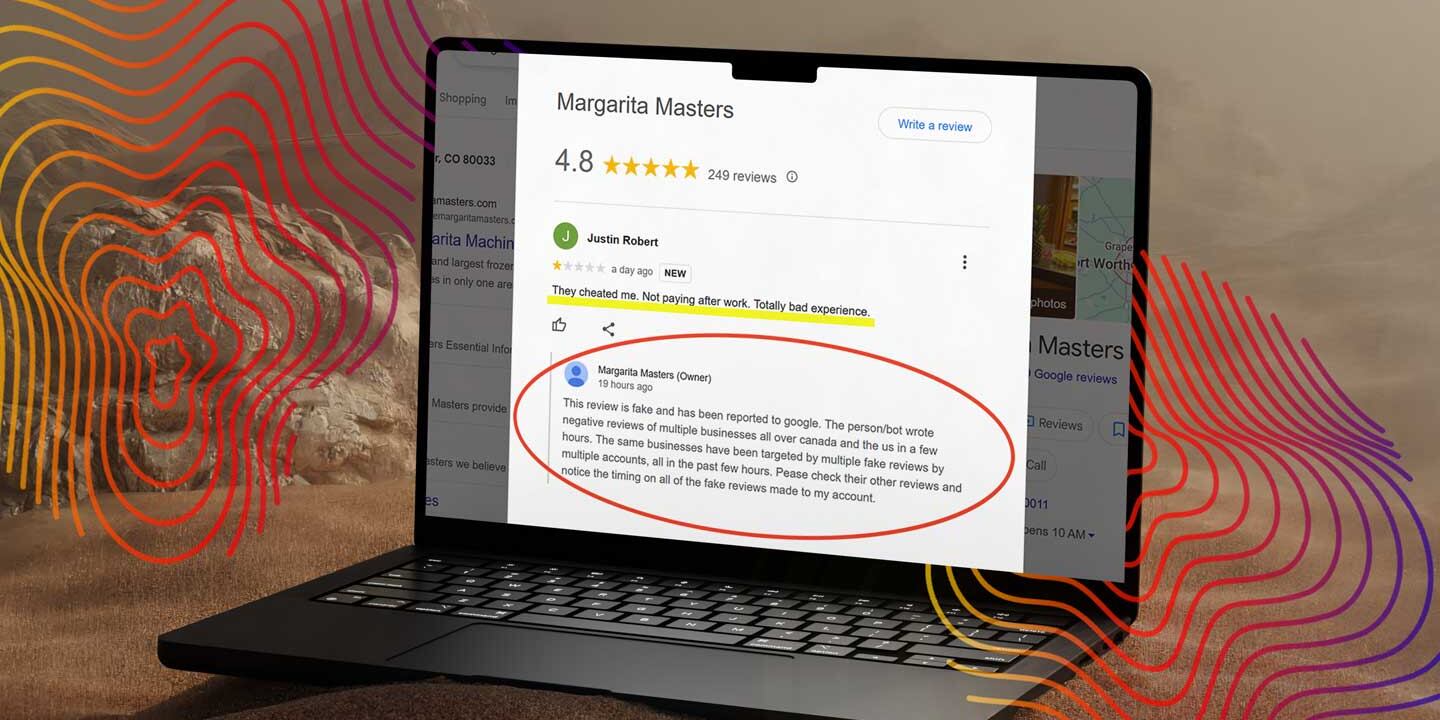
How to Deal With Fake Google Reviews and a Negative SEO Attack
Fake Google reviews aren't just a reputation problem. They can create…

December 3, 2025
How AI Is Transforming Web Design
Discover how AI is revolutionizing web design — from smart automation and…

June 15, 2026
Website Design Expectations – What’s Reasonable And What’s Not?
What should a business reasonably expect from a website company? We look at the…
February 27, 2026
5 Key Strategies to Boost PR Team Productivity and Efficiency
Boost PR team productivity with 5 practical strategies: collaboration tools,…