
Why Most SEO Strategies Fail (And What Actually Works)
A lot of SEO strategies fail for the same reason most marketing fails: businesses focus on quick wins instead of building something sustainable. They chase rankings, obsess over keywords, buy random backlinks, publish thin content, and then wonder why traffic disappears six months later. SEO is not just about getting visibility. It is about becoming the most trusted and relevant result in your market.
The problem is that many companies still treat SEO like a checklist instead of a long-term authority strategy. They optimize title tags once, throw up a few blog posts, and expect Google to reward them forever. That might have worked years ago, but search has changed. Modern SEO is about consistency, topical relevance, user experience, site quality, and trust signals working together over time.
Weak Content Creates Weak Foundations
One of the biggest reasons SEO fails is weak content. A lot of websites publish articles that say the same thing as every other site in the industry. There is no perspective, no experience, and no real value. Search engines have become much better at evaluating whether content genuinely answers a question or simply exists to target a keyword. That is why businesses investing in stronger topical authority are often in a better position than sites built around generic keyword targeting. A strong SEO strategy now requires depth, internal relevance, and real expertise.
Site Structure Matters More Than Most Businesses Realize
Another major issue is poor site structure. Businesses often create disconnected pages with no clear hierarchy or relationship between topics. Google needs to understand what your site is actually about. When pages are isolated and internal linking is weak, authority gets diluted. That is why building connected content matters. If you are writing about SEO, web design, local rankings, and technical optimization, those topics should connect naturally through contextual internal links. A website should operate as a connected system, not a collection of isolated pages. A properly organized technical SEO foundation helps search engines crawl, understand, and evaluate your website more effectively.
Rankings Mean Very Little Without Conversions
Many SEO campaigns also fail because they focus too heavily on rankings instead of conversions. Ranking number one for a keyword means very little if visitors leave immediately or never contact you. Good SEO is tied directly to business goals. The traffic needs to be relevant, local when necessary, and aligned with what potential customers are actually looking for. A business website should guide visitors naturally toward taking action through stronger messaging, cleaner navigation, and trust-building elements. That is why effective web design and SEO should never be separated.
Bad Link Building Still Causes Problems
Link building is another area where businesses go wrong. Many companies still buy spammy backlinks, use low-quality directories, or rely on outdated tactics that create short-term movement but little long-term value. The backlinks that matter most are generally the ones connected to real authority, local relevance, brand mentions, useful content, and legitimate relationships. A single quality link from a trusted local organization or industry publication can be far more valuable than hundreds of weak backlinks.
Local SEO Is Bigger Than Your Website
Local businesses especially underestimate how much proximity, reputation, and consistency influence visibility. SEO is not only about what is on your website. Reviews, Google Business Profile information, local citations, links, engagement, and wider brand signals can all contribute to how confidently a business is understood online. Businesses ignoring those signals can struggle even when their on-page optimization looks strong. That is why local SEO requires a broader strategy than simply inserting city names into page titles.
SEO Takes Time to Compound
Another reason SEO strategies collapse is impatience. Many businesses expect major ranking improvements within a month or two, then abandon the campaign before momentum has a chance to build. Real SEO growth compounds over time. The strongest websites usually win because they consistently publish useful content, improve their sites, earn links naturally, and strengthen authority year after year. SEO is one of the marketing channels where long-term consistency can create increasingly valuable returns.
Algorithm Updates Expose Weak Strategies
Algorithm updates also tend to expose weak strategies. Sites built on shortcuts are more vulnerable when Google changes how it evaluates quality. Businesses relying on filler content, manipulative links, or thin location pages can experience significant volatility, while sites built around genuine authority, useful content, strong structure, and a good user experience have a much stronger foundation. Understanding Google algorithm volatility is important because not every ranking fluctuation means something is broken. The important thing is understanding the wider pattern rather than reacting to every individual movement.
What Actually Works
The businesses that succeed with SEO usually approach it differently. They focus on becoming the best answer in their market instead of constantly looking for ways to game the system. They invest in better content, stronger branding, cleaner technical performance, and a more useful website experience overall. This is also why SEO shouldn’t be viewed in isolation. The strongest results tend to come when search strategy, content, branding, design, development, and the actual quality of the business reinforce one another. You can see how those disciplines come together across our web design, branding and SEO projects.
Final Thoughts
In the end, most SEO strategies fail because they prioritize shortcuts over authority. Sustainable rankings come from relevance, trust, expertise, structure, and consistency. There is no single trick that replaces those fundamentals. Businesses willing to invest in them are usually in a much stronger position to keep building visibility over time, rather than disappearing the next time search results shift. This article was written by Ally Lennon, Big Orange Planet’s SEO legend—call him directly! Phone: 720-272-0770.
Related Reading
If you want to go deeper into the ideas behind sustainable SEO, these three articles look more closely at the areas that matter most:
Get the Good Stuff
No fluff. Just practical web design ideas, SEO insight, behind-the-scenes projects, & solutions we've tested in the real world.
Never Miss a Good Idea
More Big Orange Knowledge

March 24, 2026
Why Google Search Results Look so Unstable Right Now
Google search results can change from day to day, but ranking movement does not…
July 29, 2026
What Actually Happens When I Build a Website with ChatGPT
The Big Orange Planet JournalAI
A behind-the-scenes look at how I used ChatGPT throughout a real website…

May 17, 2026
How Proximity Impacts Local Rankings in Google Search
The Big Orange Planet JournalSEO
Proximity is one of the biggest factors affecting local Google rankings. We…
August 28, 2024
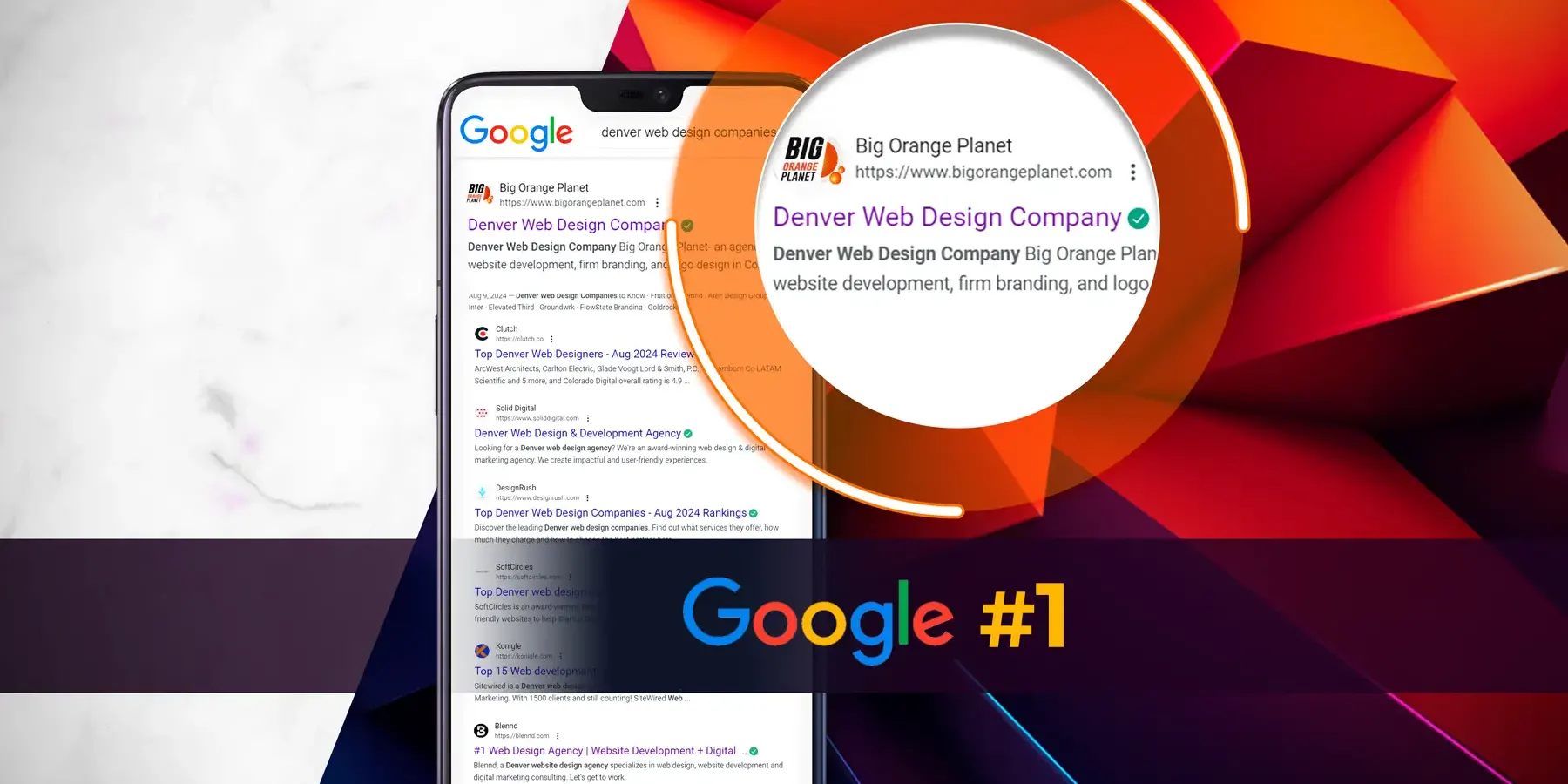
Google – Algorithm update August 2024
Google is continuing to roll out a very major update to its algorithmn, what is…

June 29, 2026
Why Doesn’t AI Recommend my Business?
Your business can have a website, reviews, content and online authority and…

August 9, 2026
The Complete Website Launch Checklist: SEO, Security, Performance, Analytics & More
Web DesignThe Big Orange Planet Journal
Launching a website is about more than making sure the pages look right. Before…