Introduction
Most people think Google ranks websites based on keywords.
It doesn’t.
Google ranks pages based on how well they fit into a topic — and how clearly they match what users are searching for.
If you want to understand rankings, you have to stop thinking about individual keywords and start thinking about how your entire site communicates meaning.
Google Ranks Topics, Not Keywords
Google groups related searches into clusters.
For example:
- denver web design
- web design denver
- website design company denver
These are all part of the same topic.
When Google adjusts how it ranks that topic, multiple keywords move together.
That’s why rankings often shift in groups.
Relevance Comes First
Before anything else, Google asks:
is this page clearly about what the user is searching for?
If the answer is unclear, the page won’t rank — regardless of backlinks or authority.
Your page must clearly communicate:
- what it is
- who it’s for
- what problem it solves
Structure Helps Google Understand
Google doesn’t “read” like a human.
It interprets structure.
That includes:
- headings
- page organization
- internal linking
- content hierarchy
If your structure is weak, your rankings will be too.
Internal Linking Builds Context
Internal links connect your content.
They tell Google:
- which pages matter
- how topics relate
- where authority should flow
Without internal linking, your site looks disconnected.
With it, your site becomes a structured system.
Authority Is Built Over Time
Authority is not a number.
It’s a combination of signals:
- consistent content
- backlinks
- user behavior
- brand presence
These signals build trust gradually.
Why Rankings Change
When Google updates its algorithm, it often changes:
- how it interprets intent
- how it weighs authority
- how it compares pages
That’s why rankings shift — even if your site hasn’t changed.
For context, see:
Google Algorithm Update 2026
What Actually Improves Rankings
Instead of chasing tactics, focus on:
- clear page topics
- strong structure
- intent alignment
- internal linking
These are the fundamentals that consistently work.
Final Thoughts
Google rankings aren’t random.
They reflect how clearly your website communicates what it is — and how well it fits into a topic.
If you improve clarity and structure, rankings follow.
About Big Orange Planet
Big Orange Planet is a Denver-based web design and SEO company that has been helping businesses build successful websites and improve search visibility for more than two decades. Our team focuses on creating fast, effective websites while helping companies understand how search engines evolve over time. This article was written by Ally Lennon, Big Orange Planet’s SEO legend—call him directly! Phone: 720-272-0770.
More Big Orange Knowledge

February 1, 2025
The 10 main types of SEO explained.
E-commerce SEOWeb DesignEntity SEOSEOLocal SEODenver Web DesignOrganic SEO
SEO (Search Engine Optimization) can be broken down into several types, each…

December 3, 2025
How GEO SEO Helps Companies Appear in AI-Generated Results
AIGEOSEOLocal SEOAI SEOGEO SEOOrganic SEO
As AI-driven engines like Perplexity and Google’s Search Generative Experience…
February 25, 2026
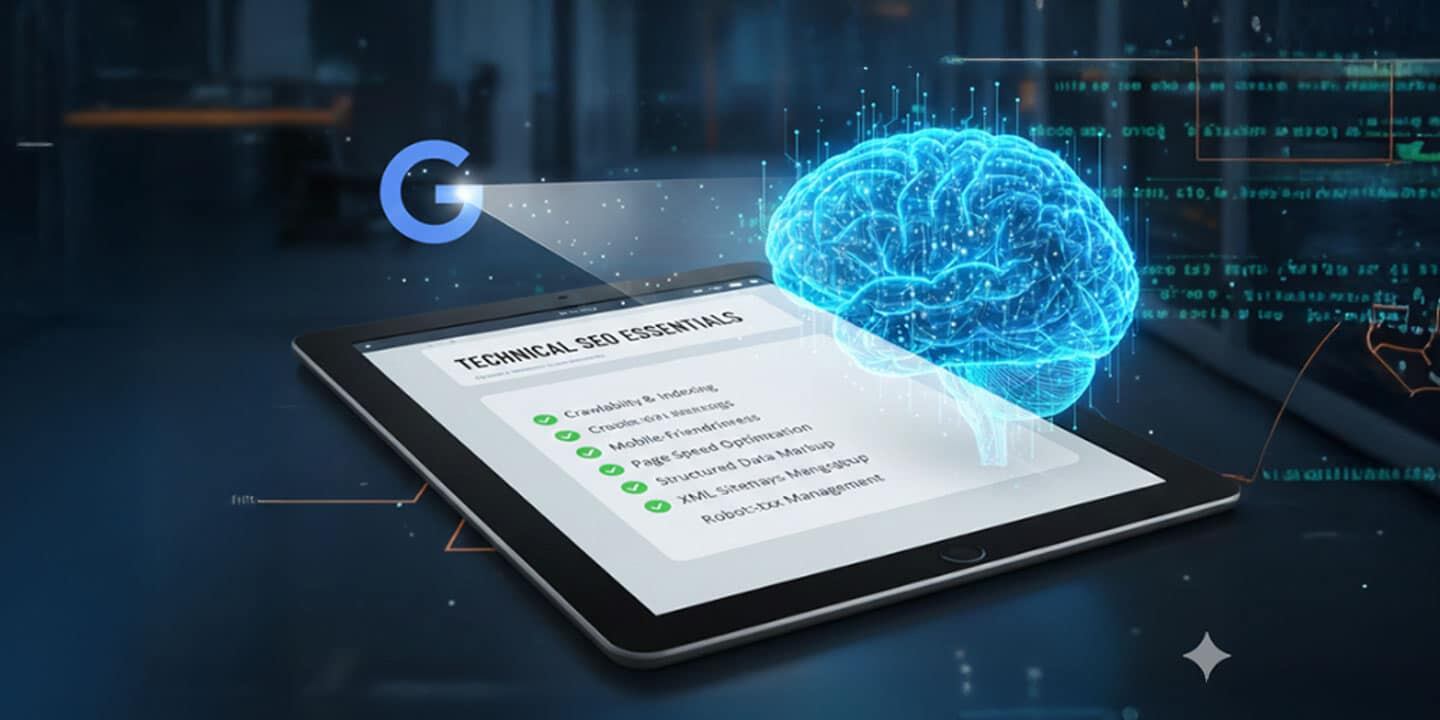
The Technical SEO Essentials for Every Website
web developmentSEODigital Marketing
Great content won’t rank if your site’s technical foundation is broken. Here…

May 1, 2025
Twitter being removed from make.com says everything about its relevance
AIAnthopic ClaudeDigital MarketingSocial MediaAI SEOSEOMakePerplexityLarge Language ModelsTwitterAI automation
For businesses aiming to succeed in 2025, understanding the power of citations…
April 22, 2025
Google SEO that works fast
Local SEOSEOGoogleOrganic SEOchatgpt
Here at Big Orange Planet we have proven SEO strategies others do not. These…

October 13, 2025
Headless WordPress: When and How to Use It
Headless WordPress refers to a setup where WordPress is used solely as a…


